


Managing your air conditioning efficiently can feel overwhelming when energy bills climb and comfort drops during Durham’s humid summers. You want a cool home without breaking the bank, but knowing which maintenance tasks matter most and when to call for help isn’t always clear. This guide delivers practical air conditioning tips specifically for homeowners in the Durham Region, covering everything from filter care to thermostat strategies, repair warning signs, and insulation improvements that keep your system running smoothly and your costs under control.
Table of Contents
- Key takeaways
- Keep your filters clean and replace them regularly
- Set your thermostat strategically for comfort and savings
- Recognise signs your air conditioner needs repair or professional service
- Ensure your home is properly insulated and sealed
- Expert HVAC services to keep your AC running efficiently
- FAQ
Key Takeaways
| Point | Details |
|---|---|
| Regular filter upkeep | Keeping filters clean improves airflow, efficiency, and indoor air quality while reducing energy waste. |
| Smart thermostat use | Setting the thermostat around 24°C when home and using programmable schedules lowers energy use without sacrificing comfort. |
| Repair warning signs | Recognizing early signs of trouble helps prevent costly breakdowns and keeps the system running smoothly. |
| Professional maintenance | Regular professional service can extend the lifespan of your AC by keeping components clean and functioning properly. |
| Insulation benefits | Proper insulation reduces heat transfer, helping the system work less and maintain comfort more efficiently. |
Keep your filters clean and replace them regularly
Your air conditioner works harder when filters are clogged with dust, pet hair, and debris. Regular filter replacement improves airflow and system efficiency, preventing energy waste that shows up on your monthly bill. Dirty filters force your AC to run longer cycles, strain the blower motor, and reduce indoor air quality by recirculating particles instead of trapping them.
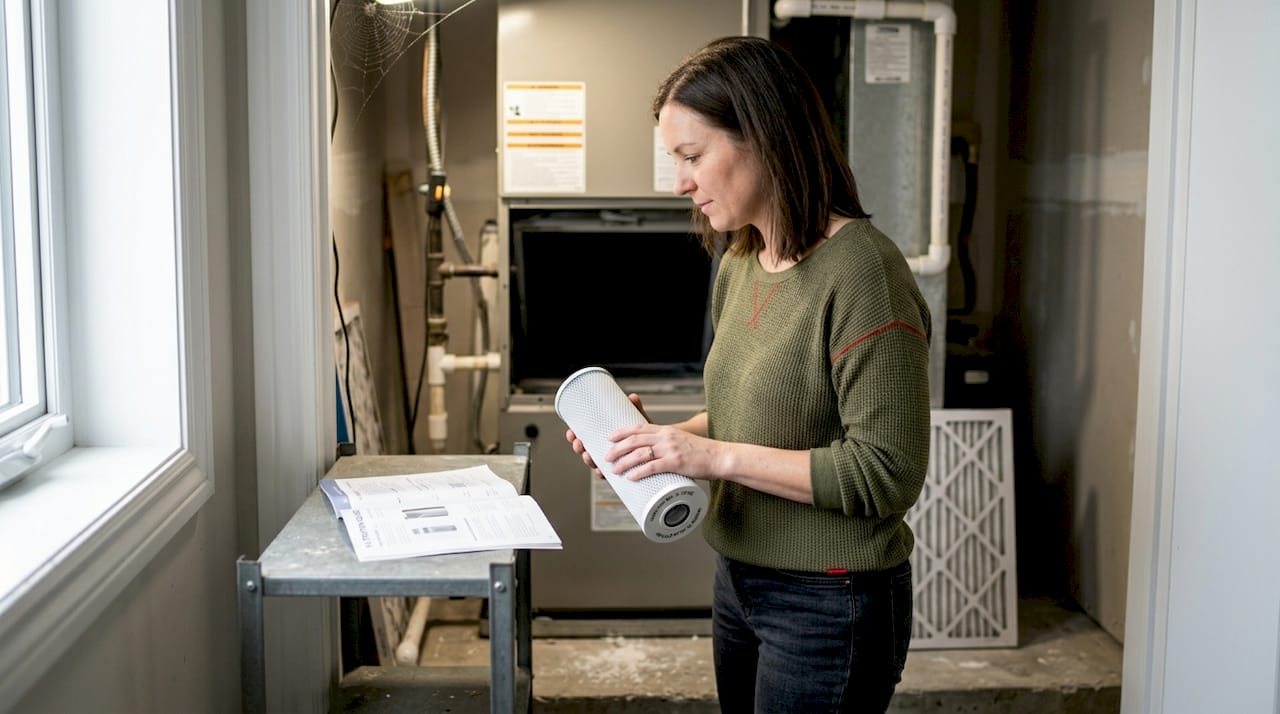
Most residential systems need filter attention every one to three months, depending on how often you run the unit and whether you have pets or allergies in the household. Check your filter monthly during peak cooling season by removing the access panel and holding the filter up to light. If you can’t see through it clearly, it’s time for a replacement.
Replacing filters takes just a few minutes and requires no special tools. Turn off your AC unit at the thermostat first. Locate the filter slot, usually near the return air duct or inside the air handler cabinet. Slide out the old filter, noting the airflow direction arrows printed on the frame. Insert the new filter with arrows pointing toward the ductwork, ensuring it sits flush in the slot without gaps around the edges.
Pro Tip: Keep three spare filters in your utility room so you’re never caught without one during a heat wave. Write the installation date on the filter frame with a marker to track replacement intervals easily.
Consider upgrading to pleated filters with higher MERV ratings if you want better particle capture, but check your system’s specifications first. Some older units can’t handle the increased airflow resistance of dense filters, which defeats the purpose of improving efficiency. Standard fibreglass filters work perfectly for most Durham homes and cost less than premium options.
Set your thermostat strategically for comfort and savings
Your thermostat setting directly controls how much energy your air conditioner consumes and how comfortable your home feels throughout the day. Setting the thermostat to about 24°C when home and higher when away saves energy without sacrificing comfort, especially when combined with ceiling fans that circulate cool air more effectively.
Many homeowners make the mistake of lowering the temperature dramatically when they feel warm, expecting faster cooling. Your AC doesn’t work that way. It cools at the same rate regardless of how low you set the target temperature, so dropping it to 18°C just makes the system run longer and waste energy.
Programmable and smart thermostats automate temperature adjustments based on your schedule, raising the setting during work hours and cooling the house before you return. You can save significant money by allowing the temperature to rise to 27°C or 28°C when nobody’s home, then programming it to drop back to 24°C an hour before arrival. The system won’t struggle to catch up if you give it adequate lead time.
Avoid frequent manual adjustments throughout the day, which cause your compressor to cycle on and off repeatedly. Each startup draws substantial power and creates wear on mechanical components. Set a comfortable temperature and leave it alone, trusting the thermostat to maintain that level efficiently.
Pro Tip: Run ceiling fans counterclockwise during summer to push cool air down, allowing you to raise your thermostat setting by 2°C without noticing a comfort difference. Fans cool people, not rooms, so turn them off in unoccupied spaces.
Consider the placement of your thermostat as well. Units installed near heat sources like lamps, windows with direct sunlight, or kitchen appliances read artificially high temperatures and trigger unnecessary cooling cycles. If your thermostat location seems problematic, a technician can relocate it to a more representative spot in your home.
Recognise signs your air conditioner needs repair or professional service
Catching AC problems early prevents minor issues from escalating into expensive emergency repairs during the hottest weeks of summer. Ignoring repair signs can lead to higher costs and system failure when you need cooling most, so learning to recognise warning signals helps you act quickly.
Watch for these common indicators that your system needs professional attention:
- Unusual noises like grinding, squealing, or banging suggest mechanical problems with the compressor, fan motor, or loose components that require immediate inspection.
- Reduced airflow from vents indicates blocked ductwork, failing blower motors, or refrigerant issues that prevent proper cooling distribution throughout your home.
- Frequent cycling where the unit turns on and off repeatedly without completing full cooling cycles points to thermostat problems, refrigerant leaks, or electrical faults.
- Ice buildup on refrigerant lines or the evaporator coil signals restricted airflow, low refrigerant levels, or dirty coils that need professional cleaning and repair.
- Water leaks around the indoor unit result from clogged condensate drains or frozen coils that have thawed, requiring immediate attention to prevent water damage.
When you notice any of these problems, turn off your AC unit at the thermostat and check the air filter first. A severely clogged filter causes many symptoms that mimic serious mechanical failures. Replace the filter and wait 30 minutes before restarting the system to see if normal operation resumes.
“Addressing small AC issues immediately prevents them from damaging other components and turning into major repair bills. What starts as a simple refrigerant top-up can become a compressor replacement if left unattended through multiple cooling seasons.”
If basic troubleshooting doesn’t resolve the issue, contact a licensed HVAC technician rather than attempting complex repairs yourself. Modern air conditioning systems contain refrigerants that require special handling certifications, and improper repairs void warranties while potentially creating safety hazards. Professional diagnosis identifies root causes instead of just treating symptoms, ensuring repairs actually solve the problem.
Ensure your home is properly insulated and sealed
Even the most efficient air conditioner struggles to cool a home that leaks conditioned air through gaps, cracks, and insufficient insulation. Good insulation significantly reduces cooling costs by maintaining indoor temperatures and preventing your AC from running constant cycles to compensate for thermal losses.
Focus your sealing efforts on these high-impact areas where air leaks most commonly occur:
- Windows and doors where weatherstripping has deteriorated or gaps exist around frames
- Attic access hatches that lack proper insulation and allow hot air to infiltrate living spaces
- Basement rim joists where floor framing meets foundation walls, creating direct paths for outdoor air
- Electrical outlets and light fixtures on exterior walls that weren’t sealed during installation
- Ductwork joints in unconditioned spaces like attics and crawlspaces where cool air escapes before reaching rooms
Insulation materials vary in effectiveness and cost, so choosing the right option depends on your specific needs and budget. Here’s a comparison of common residential insulation types:
| Insulation type | R-value per inch | Best application | Relative cost |
|---|---|---|---|
| Fibreglass batts | R-2.9 to R-3.8 | Walls, attics, accessible spaces | Low |
| Blown cellulose | R-3.2 to R-3.8 | Attics, irregular spaces | Medium |
| Spray foam | R-3.5 to R-6.5 | Rim joists, air sealing, tight spaces | High |
| Rigid foam board | R-4.0 to R-6.5 | Basement walls, exterior sheathing | Medium-high |
Pro Tip: Apply weatherstripping to windows and doors as an economical first step that delivers immediate comfort improvements and energy savings without major renovation work.
Attic insulation deserves special attention in Durham homes because summer heat radiating through the roof directly impacts cooling loads. Aim for R-50 insulation depth in attic floors, which translates to roughly 16 inches of blown fibreglass or cellulose. Proper attic ventilation works alongside insulation to exhaust hot air before it conducts through ceiling materials into living spaces.
Don’t overlook ductwork insulation if your system runs through unconditioned spaces. Uninsulated ducts in hot attics can lose 20% or more of cooled air before it reaches your rooms, forcing your AC to work significantly harder. Wrapping ducts with R-6 or R-8 insulation and sealing all joints with mastic prevents these losses and improves overall system efficiency.
Expert HVAC services to keep your AC running efficiently
While regular homeowner maintenance keeps your air conditioner running smoothly, professional service ensures optimal performance and catches problems before they become emergencies. Red Seal Mechanical Services provides comprehensive AC maintenance services throughout the Durham Region, combining technical expertise with local knowledge of climate challenges that affect cooling systems in Bowmanville, Oshawa, and surrounding communities.
Our experienced technicians perform thorough tune-ups that go beyond filter changes, including refrigerant level checks, electrical connection testing, coil cleaning, and calibration adjustments that maximise efficiency. Annual maintenance visits extend equipment lifespan and maintain manufacturer warranties that often require documented professional service.
When repair needs arise, our air conditioning repair guide for homeowners in Durham Region helps you understand common issues and solutions. We diagnose problems accurately and provide transparent pricing before starting work, ensuring you make informed decisions about repairs versus replacement.
Planning a system upgrade? Our AC installation services include proper sizing calculations, energy-efficient equipment selection, and professional installation that meets all building codes. Contact Red Seal Mechanical Services today to schedule your maintenance appointment or discuss your cooling needs with a local HVAC specialist who understands Durham homes.
FAQ
What is the ideal thermostat setting for energy savings in summer?
Setting your thermostat to approximately 24°C when you’re home provides comfortable cooling while controlling energy costs effectively. Raising the temperature to 27°C or 28°C when the house is empty during work hours reduces unnecessary cooling cycles and lowers monthly bills. Programmable thermostats automate these adjustments so you don’t have to remember manual changes throughout the day.
How often should I replace or clean air filters in my AC unit?
Replace or clean filters every one to three months depending on system usage, pet ownership, and household allergies. Check filters monthly during peak cooling season by holding them up to light. If you can’t see through the material clearly, it’s time for a replacement. Regular filter maintenance prevents airflow restrictions that force your AC to work harder and consume more energy.
When is it necessary to call a professional for air conditioner issues?
Contact a licensed technician when you notice unusual noises, ice buildup on refrigerant lines, water leaks around the indoor unit, or significantly reduced airflow from vents. These HVAC repair signs indicate problems that require specialised tools and expertise to diagnose and repair safely. Early professional service prevents minor issues from damaging other components and creating expensive emergency repairs during heat waves.
Does closing vents in unused rooms save energy with central air conditioning?
Closing vents actually reduces system efficiency rather than saving energy in most central AC systems. Your air conditioner is sized and balanced to cool the entire home, so blocking vents increases pressure in ductwork and forces the blower motor to work harder. This can lead to duct leaks and reduced airflow that strains components. If you want to reduce cooling in specific areas, consider a zoned system designed for variable airflow control.
How does proper insulation help my air conditioner work more efficiently?
Insulation prevents heat transfer between outdoor air and your cooled indoor spaces, reducing the thermal load your AC must overcome. Well-insulated walls, attics, and sealed air gaps keep conditioned air inside longer, allowing your system to cycle less frequently and maintain comfortable temperatures with less energy. This translates directly to lower operating costs and extended equipment lifespan since the compressor runs fewer hours over the cooling season.
