


Your heating and cooling system works hard year-round in the Durham Region, but when common HVAC problems strike, they quickly drive up your energy bills and compromise your comfort. Lack of regular maintenance leads to 30% more repairs and can shorten equipment lifespan by 20%. This guide walks you through the top eight HVAC issues homeowners face, their symptoms, and practical steps to address them before minor problems become expensive emergencies.
Table of Contents
- How To Choose The Right HVAC Maintenance And Repair Approach
- Dirty Air Filters: The Leading Cause Of HVAC Issues
- Thermostat Problems: Diagnosing And Fixing Temperature Inconsistencies
- Refrigerant Leaks And Short Cycling: Hidden Culprits Of Poor HVAC Efficiency
- Additional Common Problems: Noisy Systems, Drainage Issues, And Ductwork Leaks
- Summary Comparison: Top HVAC Problems And Their Impact
- Situational Recommendations For Durham Region Homeowners
- Professional HVAC Services From Red Seal Mechanical Services
Key takeaways
| Point | Details |
|---|---|
| Dirty air filters | Increase energy consumption by 15% and reduce indoor air quality, requiring replacement every 1 to 3 months. |
| Thermostat malfunctions | Account for up to 20% of service calls, causing uneven temperatures and frequent cycling that waste energy. |
| Refrigerant leaks | Reduce cooling efficiency by up to 30% and risk costly compressor damage if ignored. |
| Short cycling | Increases energy costs by 25% due to oversized equipment or poor thermostat placement. |
| Noisy systems | Signal 40% of major repairs with worn bearings, loose parts, or belt issues needing attention. |
How to choose the right HVAC maintenance and repair approach
Your heating and cooling system is a significant investment, and how you approach maintenance directly impacts its lifespan, performance, and your energy bills. Regular routine furnace maintenance keeps your equipment running efficiently and catches small issues before they escalate into expensive repairs.
When deciding between DIY troubleshooting and professional service, consider these factors:
- Comfort and safety: Problems affecting heat in winter or cooling in summer demand immediate attention, while gas leaks or electrical issues require licensed technicians.
- Energy costs: Inefficient systems waste money monthly, making repairs a smart financial move that pays back over time.
- System age: Older equipment nearing 15 to 20 years may warrant replacement rather than repeated repairs.
- Local climate: Durham Region winters stress heating systems heavily, making fall inspections essential to avoid breakdowns during peak demand.
Pro Tip: Schedule annual maintenance in spring for air conditioning and fall for furnaces to catch problems during off-peak seasons when technicians have more availability and you can avoid emergency rates.
Understanding which problems you can tackle yourself versus when to call professionals saves both time and money. Simple tasks like changing filters or resetting thermostats are homeowner-friendly, but refrigerant handling, electrical work, and gas system repairs require certified expertise for safety and warranty protection.
Dirty air filters: the leading cause of HVAC issues
Clogged air filters top the list of preventable HVAC problems. When filters fill with dust, pet dander, and debris, airflow drops dramatically. Your system works harder to push air through, straining the blower motor and increasing energy consumption by 15%.
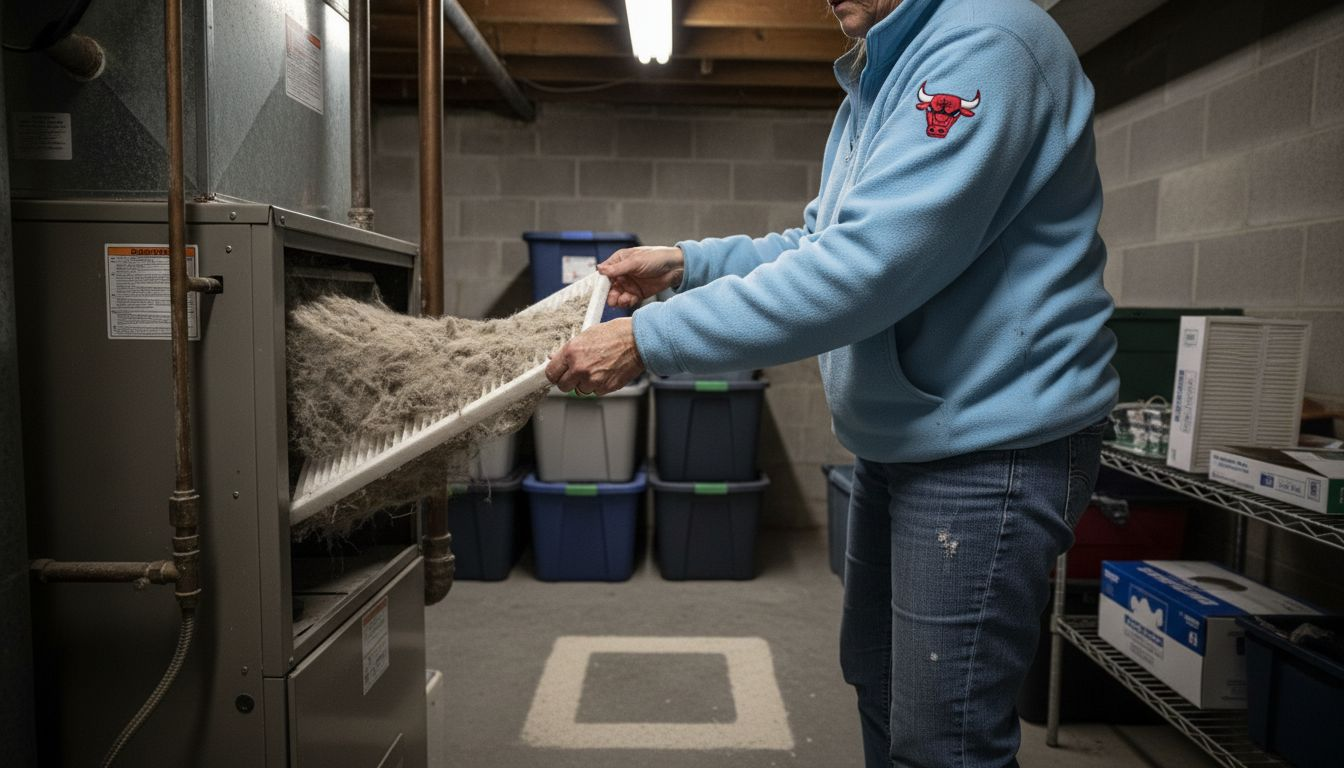
This restriction affects more than your utility bills. Poor airflow reduces heating and cooling capacity, creating hot or cold spots throughout your home. Indoor air quality suffers as particles circulate instead of being trapped, worsening allergies and respiratory symptoms for your family.
Replace filters every one to three months depending on usage:
- Monthly replacement: Homes with multiple pets, residents with allergies, or high system usage.
- Every two months: Average households with moderate pet dander and dust levels.
- Every three months: Minimal occupancy, no pets, and lower system runtime.
Check your filter monthly by holding it up to light. If you cannot see through it clearly, replace it immediately. This simple five-minute task is the most cost-effective maintenance you can perform.
Pro Tip: Mark filter changes on your calendar or smartphone. Setting recurring reminders ensures you never miss this critical maintenance step, and buying filters in bulk saves money while keeping spares on hand.
Follow these HVAC maintenance tips to keep your system running smoothly between professional service visits. Clean filters protect your equipment investment while maintaining the comfort and air quality your family deserves.
Thermostat problems: diagnosing and fixing temperature inconsistencies
Your thermostat acts as mission control for your HVAC system, but when it malfunctions, comfort suffers. Thermostat problems cause up to 20% of service calls, yet many issues have simple solutions you can try before calling a technician.
Common symptoms include rooms that never reach the set temperature, systems that cycle on and off rapidly, or displays that show incorrect readings. These issues often stem from incorrect programming, dead batteries, or sensors covered by furniture or drapes.
Start troubleshooting with these steps:
- Verify the thermostat is set to the correct mode (heat or cool) and fan setting (auto or on).
- Replace batteries if your display looks dim or blank.
- Clean dust from the thermostat housing using compressed air.
- Check that furniture, curtains, or other objects are not blocking the sensor or affecting temperature readings.
- Ensure the thermostat is mounted on an interior wall away from direct sunlight, drafts, doorways, and heat sources.
If basic fixes fail, recalibration may be needed. Digital thermostats sometimes lose calibration, reading temperatures two to three degrees off. You can test accuracy by taping a reliable room thermometer to the wall next to your thermostat. After 15 minutes, compare readings.
When temperatures differ by more than two degrees, or cycling problems persist, replacement often costs less than repeated service calls. Modern programmable and smart thermostats also provide better temperature control and energy savings. Watch for these signs your HVAC needs repair to address thermostat and other system issues early.
Refrigerant leaks and short cycling: hidden culprits of poor HVAC efficiency
Two less obvious problems quietly drain your wallet while reducing comfort: refrigerant leaks and short cycling. Both significantly impact energy efficiency and equipment lifespan, making early detection crucial.
Refrigerant leaks occur when corrosion, vibration, or improper installation creates holes in refrigerant lines. Leaks reduce cooling efficiency by up to 30% as your system struggles to absorb and transfer heat. Warning signs include ice buildup on refrigerant lines, hissing sounds near the outdoor unit, and rooms that stay warm despite the air conditioner running constantly.
Ignoring refrigerant leaks leads to compressor damage. Your compressor works overtime trying to compensate for lost refrigerant, generating excessive heat and stress. Replacement compressors cost thousands of dollars, making leak detection and repair a smart investment.
Short cycling happens when your system turns on and off rapidly without completing full heating or cooling cycles. This increases energy costs by 25% because starting up consumes far more power than steady operation. Common causes include oversized equipment, poor thermostat placement, clogged filters, or low refrigerant.
| Problem | Energy Impact | Primary Cause | Solution |
|---|---|---|---|
| Refrigerant leaks | 30% efficiency loss | Corrosion or vibration damage | Professional leak detection and seal, refrigerant recharge |
| Short cycling | 25% cost increase | Oversized system or thermostat issues | Resize equipment, relocate thermostat, check refrigerant levels |
Both problems require professional diagnosis. Refrigerant handling requires EPA certification, and identifying short cycling causes demands specialized tools. Watch for these symptoms:
- System runs for less than 10 minutes before shutting off.
- Outdoor unit starts and stops repeatedly within an hour.
- Uneven temperatures persist despite constant system operation.
- Utility bills spike without corresponding weather changes.
Pro Tip: During professional maintenance visits, ask technicians to check refrigerant levels and monitor cycle times. These measurements provide baseline data to catch developing problems before they cause major damage or efficiency losses.
Applying these HVAC efficiency tips helps you maintain optimal performance and catch problems early when repairs cost less.
Additional common problems: noisy systems, drainage issues, and ductwork leaks
Beyond filters and thermostats, three other frequent issues demand attention: unusual noises, drainage clogs, and duct leaks. Each signals specific problems that worsen over time without intervention.
Mechanical noise complaints precede 40% of major HVAC repairs, making sounds your early warning system. Different noises indicate different problems:
- Squealing or screeching suggests worn blower motor bearings or loose belts needing lubrication or replacement.
- Banging or clanking points to loose components, broken motor mounts, or debris in the blower assembly.
- Grinding indicates severe bearing wear requiring immediate attention to prevent motor failure.
- Rattling often means loose panels, screws, or ductwork connections you can tighten yourself.
Drainage problems affect air conditioners and high-efficiency furnaces that produce condensate. When drain lines clog with algae, mold, or debris, water backs up into the unit or leaks onto floors. This creates water damage risk and provides perfect conditions for mold growth affecting indoor air quality. Pour a cup of diluted bleach through the drain line quarterly to prevent buildup, and check that the line slopes properly toward the drain.
Duct leaks waste conditioned air before it reaches your living spaces. Gaps at joints, holes from pests, or deteriorated sealing allow up to 20% of heated or cooled air to escape into attics, crawl spaces, or walls. You pay to condition air that never reaches your rooms. Signs include dusty rooms, uneven temperatures between floors, and utility bills that seem too high for your usage.
Inspect accessible ductwork in basements and attics for gaps or disconnected sections. Seal small leaks with mastic sealant or metal tape, never standard duct tape which deteriorates quickly. Large leaks or inaccessible ductwork require professional sealing.
These noisy HVAC signals help you determine when sounds indicate normal operation versus problems needing repair.
Summary comparison: top HVAC problems and their impact
Understanding how different problems affect your system helps you prioritize maintenance and repairs. This comparison shows the relative impact and urgency of common HVAC issues Durham Region homeowners face.
| Problem | Energy Impact | Key Symptoms | Action Required |
|---|---|---|---|
| Dirty filters | 15% increase | Reduced airflow, dusty rooms, allergy symptoms | Replace every 1-3 months, DIY task |
| Thermostat issues | 10-20% increase | Uneven temps, frequent cycling, incorrect readings | Check settings and batteries, recalibrate or replace |
| Refrigerant leaks | 30% efficiency loss | Ice on lines, warm air, hissing sounds | Professional leak repair and recharge |
| Short cycling | 25% cost increase | Rapid on/off cycles, uneven comfort | Professional diagnosis of cause |
| Noisy operation | Varies | Squealing, banging, grinding sounds | Lubrication, part replacement, professional repair |
| Drainage clogs | Minor direct impact | Water leaks, mold smell, unit shutdown | Quarterly cleaning, ensure proper slope |
| Duct leaks | 20% air loss | Dusty rooms, high bills, uneven temperatures | Seal accessible leaks, professional duct sealing |
| Poor maintenance | 20-30% increase | All of the above, shortened lifespan | Annual professional service |
This table reveals that refrigerant leaks and poor maintenance create the biggest efficiency penalties, while short cycling and duct leaks also significantly increase operating costs. Problems like dirty filters and drainage issues have smaller individual impacts but occur more frequently and accelerate if ignored.
The cumulative effect matters most. A home with dirty filters, minor duct leaks, and a miscalibrated thermostat could see energy costs rise 40% or more compared to a well-maintained system. Understanding these HVAC impacts on comfort helps you make informed decisions about which repairs deliver the best return on investment.
Prioritize issues affecting safety (gas leaks, electrical problems), then tackle high-impact efficiency problems (refrigerant, ductwork), followed by regular maintenance items (filters, drainage). This approach protects your family while controlling costs.
Situational recommendations for Durham region homeowners
Your specific situation determines the best approach to HVAC maintenance and repairs. Consider these guidelines matched to common homeowner scenarios in the Durham Region.
- New homeowners: Schedule a comprehensive HVAC inspection within the first month. Previous owners may have deferred maintenance, and knowing your system’s condition prevents surprises during peak heating or cooling seasons.
- Systems under 10 years old: Focus on preventive maintenance with annual professional service. Most repairs make financial sense compared to replacement costs.
- Systems 10 to 15 years old: Evaluate repair costs carefully. If a single repair exceeds 30% of replacement cost, or multiple systems need work, replacement may be more economical.
- Systems over 15 years old: Replacement often makes sense, especially for furnaces and air conditioners approaching 20 years. New equipment offers 30% to 40% better efficiency.
- Frequent repairs: If you have called for service three or more times in two years, replacement likely costs less long-term than continued repairs on failing equipment.
Pro Tip: Keep detailed maintenance records including dates, services performed, and costs. This documentation helps you identify patterns, make informed repair versus replacement decisions, and may increase home resale value.
Know when professional help is essential:
- Any work involving refrigerant, gas lines, or electrical connections requires licensed technicians.
- Unusual noises, smells, or performance changes warrant immediate professional diagnosis.
- Annual maintenance by qualified technicians catches problems early and maintains manufacturer warranties.
- Emergency situations like no heat in winter or complete system failure need same-day service.
For reliable local HVAC repair services in Whitby or Oshawa heating and cooling experts, choose established companies with proper licensing, insurance, and positive customer reviews. Local providers understand Durham Region climate challenges and respond faster than distant contractors.
Professional HVAC services from Red Seal Mechanical Services
When HVAC problems exceed simple maintenance, partnering with experienced professionals ensures proper repairs and long-term system health. Red Seal Mechanical Services has served Durham Region homeowners since 2012, providing comprehensive HVAC services from routine maintenance to emergency repairs and complete system installations.
Our team handles everything from furnace maintenance that prevents winter breakdowns to air conditioning repairs that restore summer comfort. We diagnose problems accurately, explain your options clearly, and complete work to the highest standards.
Schedule your seasonal maintenance or repair consultation today. Contact us to speak with our team about your HVAC concerns and book service that fits your schedule.
Frequently asked questions
How often should I replace my HVAC air filter?
Replace your air filter every one to three months depending on household factors. Homes with pets, allergies, or high system usage need monthly changes. Average households with moderate dust and pet dander should change filters every two months. Low-occupancy homes with minimal pets can extend to three months. Check your filter monthly by holding it to light; if you cannot see through it, replace it immediately regardless of the schedule.
What are signs my thermostat needs repair or replacement?
Watch for rooms that never reach set temperatures, systems that cycle on and off rapidly every few minutes, or display readings that differ from actual room temperature by more than two degrees. First try replacing batteries, cleaning the unit, and verifying correct settings. If problems persist after basic troubleshooting, recalibration or replacement is likely needed. Thermostats older than 10 years often benefit from upgrades to programmable or smart models.
When should I call a professional for refrigerant leaks?
Call immediately if you notice ice buildup on refrigerant lines, hissing sounds near your outdoor unit, or dramatically reduced cooling despite the system running constantly. Refrigerant handling requires EPA certification, and leaks cause compressor damage if ignored. Never attempt DIY refrigerant work, as improper handling poses environmental and safety risks while potentially voiding equipment warranties.
How can I tell if my system is short cycling?
Short cycling occurs when your heating or cooling system turns on and off every five to 10 minutes without completing full cycles. You will notice the outdoor unit starting and stopping repeatedly, uneven temperatures throughout your home, and increased energy bills. Common causes include oversized equipment, thermostat placement near heat sources or drafts, extremely dirty filters, or low refrigerant levels requiring professional diagnosis.
What basic drainage maintenance prevents water damage?
Pour a cup of bleach diluted with water through your air conditioner and high-efficiency furnace drain lines quarterly to prevent algae and mold buildup. Ensure drain lines slope continuously downward toward the drain without sags where water can pool. Check drain pans for cracks and verify condensate pumps operate correctly. If you notice water pooling around your indoor unit or musty smells, call a technician to clear clogs before water damage occurs.
