


Many homeowners believe HVAC tune-ups are optional extras that waste money. The truth is far different. In Durham Region, where energy costs climbed 12% in 2025 and climate patterns create longer heating and cooling seasons, annual HVAC maintenance is one of the smartest investments you can make. Regular tune-ups from professional HVAC services can slash energy bills, prevent breakdowns, and extend your system’s life by years. Customer demand for comfort and reliability is increasing amid climate variability in Durham Region.
Table of Contents
- How HVAC Tune-Ups Improve Energy Efficiency
- Preventative Maintenance: Avoiding Costly Repairs And Breakdowns
- Common Misconceptions About HVAC Tune-Ups
- Optimal Timing And Frequency For HVAC Tune-Ups In Durham Region
- Additional Benefits: Environmental Impact And System Longevity
- Conclusion: Making HVAC Tune-Ups A Priority In 2026
- Book Your Professional HVAC Tune-Up With Red Seal Mechanical Services
- Frequently Asked Questions About HVAC Tune-Ups In Durham Region 2026
Key takeaways
| Point | Details |
|---|---|
| Energy savings | Tune-ups reduce energy waste by 15% and save up to $400 annually on heating and cooling bills. |
| Prevent breakdowns | Regular maintenance prevents 30% of system failures and eliminates costly emergency repairs. |
| Extended lifespan | Annual tune-ups extend HVAC equipment life by up to 5 years, delaying expensive replacements. |
| Best timing | Schedule tune-ups in spring and fall to prepare your system for Durham Region’s seasonal demands. |
| Environmental impact | Tune-ups reduce carbon emissions by up to 15%, supporting local sustainability goals. |
How HVAC tune-ups improve energy efficiency
Your HVAC system is the largest energy consumer in your home, accounting for nearly 60% of total household energy use. When components wear down or drift out of calibration, your system works harder and longer to achieve the same comfort level. That wasted effort shows up directly on your utility bill.
Professional tune-ups address this inefficiency through comprehensive optimisation. Technicians replace dirty filters that restrict airflow, forcing your system to run longer cycles. They calibrate thermostats and sensors to ensure accurate temperature readings. Electrical connections get tightened, refrigerant levels are checked and adjusted, and moving parts receive proper lubrication. Each adjustment reduces friction and waste in your system.
The financial impact is substantial. System optimisation through tune-ups reduces energy waste by approximately 15%, which translates to $200 to $400 in annual savings for most Durham Region homes. These savings compound year after year, turning a $150 tune-up into one of your best home maintenance investments.
Key energy efficiency improvements include:
- Restored airflow through clean filters and coils reduces fan runtime by 10 to 20%
- Calibrated thermostats prevent temperature overshoots that waste energy
- Sealed ductwork stops conditioned air from escaping into attics and crawl spaces
- Optimised refrigerant levels ensure your air conditioner runs at peak efficiency
Pro Tip: Track your energy bills before and after your first tune-up to quantify your personal savings and prove the value of annual maintenance.
Preventative maintenance: avoiding costly repairs and breakdowns
The worst time to discover an HVAC problem is during a January cold snap or July heatwave. Emergency repairs cost 30 to 50% more than scheduled maintenance, and you lose comfort when you need it most. Regular tune-ups shift you from reactive crisis mode to proactive prevention.
During a comprehensive tune-up, technicians inspect every critical component for wear, damage, and safety issues. They catch minor problems before they cascade into major failures. A worn belt gets replaced for $50 instead of waiting until it snaps and damages the blower motor for $800. A small refrigerant leak gets sealed before your entire charge escapes, saving you hundreds in refrigerant costs and preventing compressor damage.
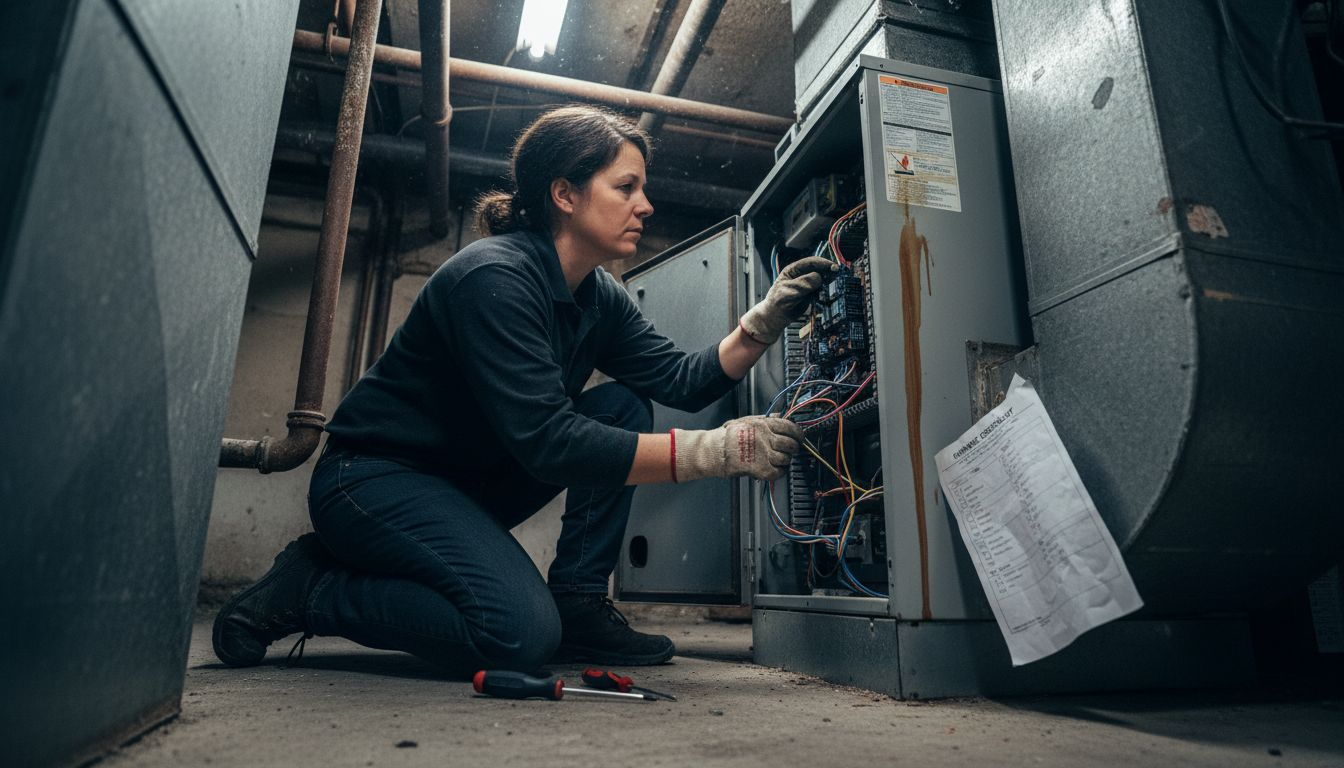
Safety inspections are equally important. Technicians test for carbon monoxide leaks from cracked heat exchangers, verify proper combustion in gas furnaces, and check electrical connections that could spark fires. These checks protect your family and property from hazards you cannot see or smell. Annual tune-ups result in 30% fewer breakdowns and reduce maintenance costs by up to 30% over your system’s lifetime.
Prevention advantages include:
- Early detection of worn parts before they fail completely
- Safety verification that prevents carbon monoxide and fire hazards
- Warranty compliance, since many manufacturers require annual maintenance
- Reduced emergency service calls that disrupt your schedule and budget
Pro Tip: When your technician identifies minor issues during a tune-up, schedule repairs immediately rather than waiting, as small problems rarely fix themselves and always get worse.
Common misconceptions about HVAC tune-ups
Several persistent myths prevent homeowners from scheduling regular maintenance. About 60% of Canadian homeowners skip annual HVAC tune-ups, increasing failures and inefficiencies. Understanding the truth helps you make informed decisions about your system.
The first misconception is that tune-ups are only necessary after something breaks. This reactive approach costs more and delivers less comfort. Waiting for failure means you pay emergency rates, suffer through uncomfortable days, and often face more extensive damage because one failed component stressed others.
Another myth suggests that new systems do not need tune-ups for several years. Wrong. New equipment needs initial calibration and adjustment as components settle into operation. Manufacturers often require first-year service to maintain warranties.
Many homeowners believe changing their own filters equals professional maintenance. Whilst filter changes are important, they represent just one of dozens of tune-up tasks. Professional inspections include electrical testing, refrigerant checks, combustion analysis, and safety verification that homeowners cannot perform.
| Aspect | Professional Annual Tune-Up | DIY Filter Change Only |
|---|---|---|
| Cost | $120 to $180 | $15 to $30 |
| Components serviced | 20+ inspection and adjustment points | Air filter only |
| Safety checks | Carbon monoxide, gas leaks, electrical | None |
| Energy optimisation | Full system calibration | Minimal impact |
| Warranty compliance | Maintains coverage | Often insufficient |
| Breakdown prevention | Reduces failures by 30% | Limited benefit |
The cost difference between DIY and professional service is minimal when you consider the value delivered. Skipping professional tune-ups can shorten system lifespan by up to 40%, turning a 20-year furnace into a 12-year unit. That premature replacement costs thousands.
Pro Tip: Keep your service records organised in a folder or digital file, as documentation proves maintenance history when selling your home or making warranty claims.
Optimal timing and frequency for HVAC tune-ups in Durham Region
Timing matters when scheduling HVAC maintenance. Durham Region’s climate creates distinct heating and cooling seasons, making spring and fall ideal for tune-ups. Service your furnace in late summer or early autumn before heating season starts. Schedule air conditioning maintenance in late winter or early spring before cooling demands begin.
This seasonal approach ensures your system is ready when you need it most. Spring AC tune-ups catch refrigerant leaks before summer heatwaves, whilst autumn furnace service identifies heat exchanger cracks before winter cold sets in. You avoid the rush periods when HVAC companies are swamped with emergency calls and have limited availability.
Most residential systems need annual tune-ups. If your equipment is older than 10 years or runs year-round, consider bi-annual service to catch problems earlier. Follow manufacturer recommendations in your owner’s manual, as some brands specify different intervals.
Steps to schedule and prepare for your professional tune-up:
- Contact your HVAC provider 4 to 6 weeks before your target season to secure preferred appointment times
- Clear access to your furnace, air handler, and outdoor condenser unit by removing stored items
- Replace your air filter a week before service so technicians can assess airflow with a fresh filter
- Write down any concerns like unusual noises, odours, or performance issues to discuss during service
- Confirm your appointment the day before and ensure someone will be home for system access
- Ask your technician to explain any findings and prioritise recommended repairs by urgency
Consider joining a maintenance plan that bundles annual tune-ups with priority service and discounts. These plans typically cost less than paying for individual tune-ups and guarantee you will not forget to schedule service.
Additional benefits: environmental impact and system longevity
Beyond immediate energy savings and reliability, regular tune-ups deliver long-term value through environmental benefits and extended equipment life. These advantages compound over years, multiplying your initial investment.
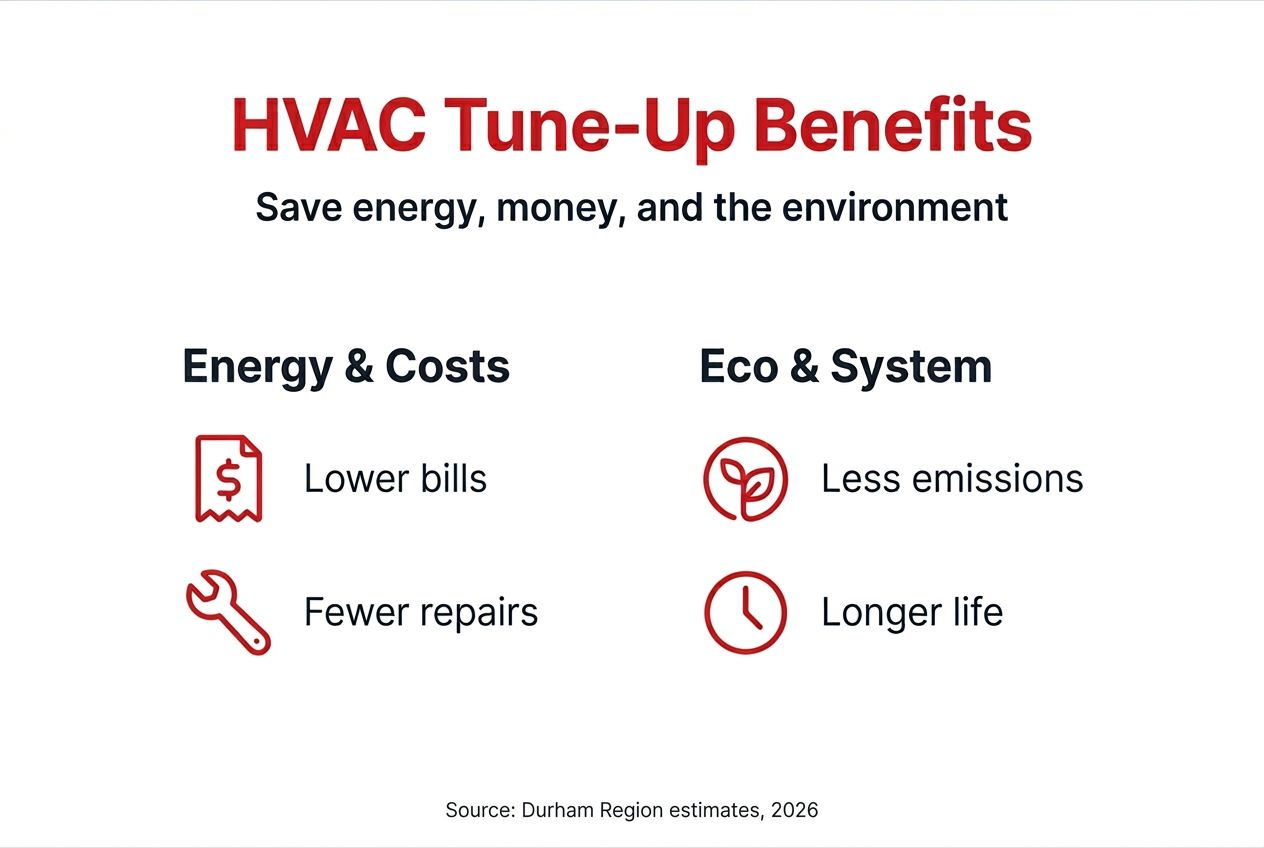
Every kilowatt-hour your HVAC system wastes generates unnecessary carbon emissions. Ignoring tune-ups can increase HVAC carbon emissions by up to 15%. In Durham Region, where many homes still rely on natural gas heating, this translates to significant environmental impact across thousands of households. When you optimise your system, you directly reduce your carbon footprint whilst saving money.
Equipment longevity represents another substantial benefit. HVAC systems are expensive, with furnace replacements costing $3,000 to $6,000 and central air conditioning running $3,500 to $7,000. Regular maintenance extends system life by up to 5 years, delaying these major expenses and reducing waste. A well-maintained furnace can operate efficiently for 20 to 25 years instead of failing at 15.
Long-term impacts include:
- Reduced carbon emissions equivalent to planting 12 trees annually per household
- Fewer replacement parts manufactured and shipped, lowering industrial waste
- Extended equipment life means less metal, plastic, and refrigerant entering landfills
- Lower lifetime energy consumption reduces demand on Durham Region’s electrical grid
- Financial savings from delayed replacement costs compound with annual energy bill reductions
These benefits position HVAC maintenance as both an economic and environmental priority. You gain immediate comfort and savings whilst contributing to broader sustainability goals. The small annual investment in tune-ups prevents waste and inefficiency that cost more in every dimension.
Conclusion: making HVAC tune-ups a priority in 2026
Regular HVAC tune-ups are not optional luxuries but essential investments for Durham Region homeowners. The benefits are clear and measurable: 15% energy savings worth up to $400 annually, 30% fewer breakdowns, extended system life by 5 years, and improved safety for your family.
Durham Region’s climate demands reliable heating and cooling. Rising energy costs in 2026 make efficiency more valuable than ever. Scheduling annual tune-ups, preferably in spring and fall, protects your comfort, budget, and equipment.
Core advantages to remember:
- Immediate energy bill reduction through system optimisation
- Prevented emergency repairs that cost 30 to 50% more
- Extended equipment lifespan that delays expensive replacements
- Enhanced safety through carbon monoxide and electrical inspections
- Reduced environmental impact supporting local sustainability
The peace of mind from knowing your system is reliable, efficient, and safe is worth far more than the modest tune-up cost. Make 2026 the year you commit to proactive HVAC maintenance.
Book your professional HVAC tune-up with Red Seal Mechanical Services
Red Seal Mechanical Services brings over a decade of HVAC expertise to Durham Region homeowners. Our certified technicians provide comprehensive tune-ups that address every aspect of your heating and cooling system, from safety inspections to performance optimisation. We understand local climate demands and tailor our service to ensure your reliable HVAC systems in Durham Region perform when you need them most.
Booking is straightforward. Our team offers flexible scheduling for professional furnace maintenance and expert air conditioning services that fit your calendar. We provide transparent pricing, detailed service reports, and practical recommendations to keep your system running efficiently year after year.
Pro Tip: Schedule your spring or fall tune-up early to secure your preferred appointment time before seasonal demand fills our calendar.
Frequently asked questions about HVAC tune-ups in Durham Region 2026
What are the signs my HVAC system needs a tune-up?
Watch for increased energy bills, uneven heating or cooling, unusual noises like grinding or squealing, frequent cycling on and off, and weak airflow from vents. If your system is more than a year past its last service, schedule a tune-up regardless of symptoms.
How much does a professional HVAC tune-up typically cost in Durham Region?
Expect to pay between $120 and $180 for a comprehensive tune-up in Durham Region. This investment typically returns $200 to $400 in annual energy savings, making it cost-effective within months.
Can I perform an effective HVAC tune-up myself?
Homeowners can change filters and clear debris from outdoor units, but professional tune-ups require specialised tools and training for refrigerant testing, electrical inspection, combustion analysis, and safety verification. DIY maintenance cannot replace professional service.
How soon will I notice energy savings after a tune-up?
Most homeowners see reduced energy bills within the first month after a tune-up, especially during peak heating or cooling seasons. The exact timing depends on your system’s condition before service and your usage patterns.
What safety checks are included in a professional tune-up?
Technicians test for carbon monoxide leaks, verify proper gas combustion, inspect heat exchangers for cracks, check electrical connections for fire hazards, confirm proper venting, and test safety controls. These inspections protect your family from invisible dangers that homeowners cannot detect without proper equipment.
