


TL;DR:
- Skipping routine heating maintenance can reduce furnace efficiency by up to 15 percent. Regular filter changes, vent inspections, and professional tune-ups extend furnace lifespan and prevent costly repairs. Ontario-specific issues like frozen condensate lines and the necessity of TSSA-certified technicians are crucial for Durham Region homeowners.
Skipping just one routine heating maintenance task can quietly reduce your furnace’s efficiency by up to 15% and create conditions that put your family at risk. For Durham Region homeowners, where winters are long and temperatures can drop sharply, that kind of neglect adds up fast. Regular filter changes alone save 5-15% on energy bills and reduce the chance of breakdowns. This checklist walks you through everything you need to know, from simple DIY steps to the professional tasks that keep your system safe, efficient, and running for decades.
Table of Contents
- How to evaluate your heating system: Key criteria for reliable operation
- DIY heating maintenance tasks for Durham homeowners
- When and why to call the pros: Annual and advanced heating maintenance
- Heating maintenance ROI: Savings, lifespan, safety and comparison
- Why most heating maintenance checklists miss critical Durham Region nuances
- Connect with trusted heating service experts in Durham Region
- Frequently asked questions
Key Takeaways
| Point | Details |
|---|---|
| DIY saves energy | Simple tasks like changing filters and clearing vents can boost efficiency by up to 15%. |
| Annual professional inspection | Certified technician tune-ups each fall prevent unsafe failures and extend furnace lifespan. |
| Durham-specific safety | Check for snow blockages and clear condensate drains to avoid winter system shutdowns. |
| Preventive ROI | Routine maintenance can deliver 400-545% return by reducing breakdowns and costly repairs. |
| Warning signs | Yellow flames, frequent cycling, and rising bills signal urgent maintenance needs. |
How to evaluate your heating system: Key criteria for reliable operation
Before you pick up a screwdriver or call a technician, it helps to understand what you’re actually looking for. A reliable heating system needs to meet five core criteria: safety, efficiency, long lifespan, ease of maintenance, and cost savings. When any one of these falls short, the others tend to follow.
Start with your furnace’s age and service history. A unit older than 15 years that has had frequent repairs needs closer attention than a newer system with clean records. Age alone is not a death sentence for a furnace, but it does tell you where to focus. For a solid foundation on Ontario heating basics, it helps to understand how your specific system type operates before evaluating it.
Here are the warning signs that your heating system is asking for attention:
- Yellow or orange flames instead of a steady blue flame (a potential carbon monoxide risk)
- Unusual noises such as banging, rattling, or squealing during operation
- Short-cycling, meaning the furnace turns on and off too frequently without completing a full heating cycle
- Persistent odours, especially a sulphur or burning smell near the unit
- Rising energy bills without a change in usage habits
Heat exchangers are a common failure point and cracks in them can render a furnace unsafe by allowing combustion gases to mix with your indoor air. This is one issue you cannot see without proper equipment, which is why professional inspections matter.
Durham Region homeowners also face some specific challenges. Condensate drains on high-efficiency furnaces are prone to freezing during cold snaps, and outdoor intake or exhaust vents can become blocked by snow and ice. Checking these points regularly is part of good local practice, and furnace maintenance tips from experienced technicians can help you know exactly what to look for.
Pro Tip: Walk around your home’s exterior after a heavy snowfall and confirm that all furnace vent pipes are clear. A blocked vent can cause your system to shut down entirely for safety reasons.
DIY heating maintenance tasks for Durham homeowners
Once you know what your system needs, there are several tasks you can handle yourself. These steps are safe, straightforward, and make a real difference in how your furnace performs all winter long.
- Replace your air filter every 1 to 3 months. MERV 8-13 filters strike the right balance between airflow and filtration. Too low a rating and dust passes through; too high and you restrict airflow, which stresses the blower motor.
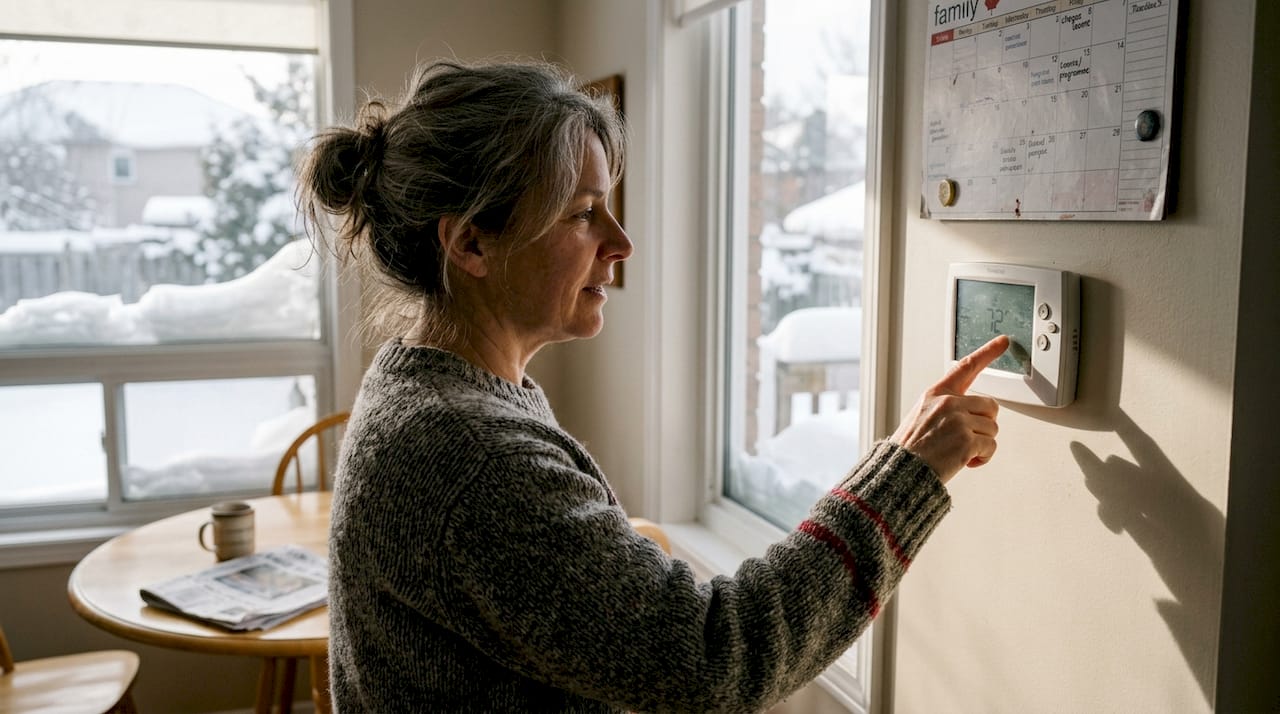
- Check your thermostat and its batteries. A thermostat with weak batteries can cause erratic temperature readings and unnecessary cycling. Test it by raising the set temperature a few degrees and confirming the furnace responds promptly.
- Clear all supply and return vents. Move furniture, rugs, or curtains that block airflow. Restricted vents force your furnace to work harder and can cause overheating.
- Vacuum around the furnace and blower area. Dust buildup near the unit reduces efficiency and can become a fire hazard over time.
- Inspect visible ductwork for gaps or disconnections. Use your hand to feel for air escaping near joints. Even small leaks waste conditioned air and drive up your bills.
- Test your carbon monoxide detector monthly. This is non-negotiable. CO is odourless and colourless, and a functioning detector is your first line of defence.
Stat to know: Homes with leaky ducts can lose up to 30% of heated air before it reaches living spaces, according to HVAC maintenance benchmarks.
For Durham homeowners specifically, keep an eye on outdoor vents after snowstorms. Snow can pack tightly against low-profile vent covers within hours of a storm. Pairing these DIY habits with homeowner HVAC tips and guidance on maintaining furnace efficiency will help you stay ahead of problems before they become expensive.
Pro Tip: Set a recurring monthly reminder on your phone to check the furnace filter and test the CO detector. Consistency is what turns good intentions into real protection.
Smart thermostats and connected systems can also flag issues between annual visits, and smart HVAC checks are becoming a practical tool for homeowners who want extra peace of mind.
When and why to call the pros: Annual and advanced heating maintenance
DIY tasks cover the basics, but there is a clear line between what homeowners can safely do and what requires a certified technician. Crossing that line with gas components is not just risky; it can void your equipment warranty and put your family in danger.
Here is what a professional annual tune-up should include:
- Combustion analysis to confirm the furnace is burning fuel cleanly and safely
- Heat exchanger inspection for cracks or deterioration
- Burner cleaning and adjustment for optimal flame quality
- Condensate drain clearing to prevent freezing and blockages
- Blower motor and belt inspection for wear and proper operation
- Electrical connection tightening and component testing
- Gas pressure verification to manufacturer specifications
Professional tune-ups cost between $80 and $200 and typically include all of the above. That investment is modest compared to an emergency repair bill or the cost of replacing a furnace prematurely.
In Ontario, gas work must be performed by a TSSA-certified technician. The Technical Standards and Safety Authority (TSSA) sets the rules for who can legally touch gas lines, burners, and related components. Hiring someone without this certification is not just unsafe; it is non-compliant with Ontario law.
| Warning sign | Likely cause | Action required |
|---|---|---|
| Yellow or orange flame | Combustion issue or CO risk | Call a pro immediately |
| Persistent short-cycling | Dirty filter or airflow restriction | Check filter, then call pro |
| Banging on startup | Delayed ignition | Schedule professional inspection |
| Condensate line dripping | Blockage or freeze | Pro clearing required |
| Rising bills, same usage | Efficiency loss | Annual tune-up overdue |
For a step-by-step approach to diagnosing issues, our professional furnace troubleshooting guide covers six key steps. You can also learn more about the value of an annual furnace inspection and what Ontario furnace maintenance standards require. A helpful winter heating checks resource from another regional provider reinforces many of these same priorities.
Heating maintenance ROI: Savings, lifespan, safety and comparison
Numbers make the case better than any argument. Let’s look at what consistent maintenance actually delivers compared to neglect.
Regular maintenance extends furnace life from 10 to 12 years for neglected units to 15 to 20 or more years for well-maintained ones. Energy savings range from 5 to 20%, and some estimates put the ROI of preventive maintenance as high as 545% when you factor in avoided repairs and extended equipment life.
| Maintenance approach | Avg. furnace lifespan | Energy savings | Annual cost | Breakdown risk |
|---|---|---|---|---|
| Neglected (no maintenance) | 10 to 12 years | 0% | High (reactive repairs) | Very high |
| DIY only | 12 to 15 years | 5 to 10% | Low | Moderate |
| Annual professional tune-up | 15 to 20+ years | 10 to 20% | $80 to $200/year | Low |
| DIY plus annual pro service | 18 to 22+ years | 15 to 20% | Moderate | Very low |
The benefits go beyond money. A well-maintained furnace is a safer furnace. Breakdowns drop by 70 to 95% with consistent preventive care, according to HVAC maintenance benchmarks. Duct sealing alone can recover up to 30% of air that would otherwise be lost before it reaches your living spaces.
For Durham Region homeowners, local fuel costs and the length of our heating season amplify these numbers. A furnace running inefficiently from October through April costs significantly more than one that has been properly tuned. Our Bowmanville furnace guide breaks down what this looks like in practical terms for homes in our area.
- Preventive maintenance pays for itself within the first heating season in most cases
- Avoided emergency service calls typically cost $300 to $800 or more per incident
- A new furnace installation ranges from $3,000 to $6,000 or higher, making longevity extremely valuable
Why most heating maintenance checklists miss critical Durham Region nuances
Most generic checklists are written for a national audience, and that is exactly the problem. They cover the basics well enough, but they miss the details that matter most in Durham Region winters.
High-efficiency condensing furnaces, which are now standard in most Ontario homes, produce condensate as a byproduct of combustion. In our winters, condensate lines can freeze and block drainage, causing the furnace to shut down on the coldest nights. Outdoor vent blockages from snow and ice are equally common and equally overlooked in national guides.
We have seen this play out in real Durham homes. A homeowner calls us in January, furnace not running, temperature dropping. Nine times out of ten, it is a frozen condensate line or a snow-packed vent that a simple fall inspection would have caught. These are not catastrophic failures. They are entirely preventable with local knowledge.
The other nuance national lists gloss over is the importance of TSSA certification. Only certified technicians should handle gas components in Ontario, and working with routine furnace maintenance professionals who hold that credential is not optional; it is the standard. Local expertise is not a luxury. In Durham winters, it is what keeps your heat on.
Connect with trusted heating service experts in Durham Region
With a clear picture of what your heating system needs, the next step is making sure those needs are met by people who know Durham Region homes. At Red Seal Mechanical Services, our team has been serving homeowners across the Durham Region since 2012, and every technician we send to your door is TSSA-certified.
Whether you need a routine tune-up, a repair, or guidance on when it is time to replace your unit, we are here to help. Explore our Durham furnace maintenance services, get the facts on Durham furnace replacement if your system is aging, or review our approach to routine Ontario maintenance to see exactly what we cover. Get in touch today to schedule your annual inspection before the cold sets in.
Frequently asked questions
How often should I change my furnace filter in the Durham Region?
Replace your furnace filter every 1 to 3 months, choosing a MERV 8 to 13 rated filter to balance airflow and effective filtration. Homes with pets or allergies may need more frequent changes.
What maintenance tasks require a certified HVAC technician?
Certified technicians should handle heat exchanger inspections, burner cleaning, combustion analysis, electrical checks, and condensate line clearing, as these tasks involve gas safety components that require TSSA certification in Ontario.
What are the warning signs my heating system needs attention?
Yellow or orange flames, unusual noises, frequent on-and-off cycling, rising energy bills, or persistent odours are all signals that your system needs prompt attention. A yellow flame indicates a potential carbon monoxide risk and warrants an immediate call to a professional.
Do I need to clear snow from outdoor heating vents every winter?
Yes. Blocked heating vents can trigger a safety shutdown and leave your home without heat during the coldest nights. Check outdoor vent pipes after every significant snowfall throughout the Ontario winter season.
