


Keeping your air conditioning system running smoothly during Durham’s warm months shouldn’t feel like guesswork. Many homeowners struggle to know which maintenance tasks matter most and when to tackle them. This comprehensive checklist walks you through essential inspections, practical upkeep tasks you can handle yourself, warning signs that demand professional attention, and how to choose qualified technicians for seasonal servicing. By following these steps, you’ll maintain reliable cooling, catch problems early, and extend your AC’s lifespan while keeping energy costs under control.
Table of Contents
- Essential Criteria For Your Air Conditioning Checklist
- Step-By-Step Homeowner Tasks For Air Conditioning Upkeep
- Common Signs And Issues To Watch For On Your AC Checklist
- Choosing Professional Services And Scheduling Maintenance
- Keep Your Home Comfortable With Expert AC Services In Durham Region
- Frequently Asked Questions
Key takeaways
| Point | Details |
|---|---|
| Regular checks prevent costly repairs | Consistent maintenance catches small issues before they escalate into expensive breakdowns |
| Filter and condenser inspections are critical | These two components directly impact cooling efficiency and system longevity |
| Professional servicing complements homeowner upkeep | DIY tasks maintain daily function while experts handle complex diagnostics and repairs |
| Seasonal maintenance schedules optimise efficiency | Timing tune-ups before summer ensures peak performance when you need cooling most |
| Prompt repair sign detection avoids breakdowns | Recognising early warning signals prevents emergency failures during heat waves |
Essential criteria for your air conditioning checklist
Building an effective air conditioning checklist starts with understanding which system components require regular attention and why they matter for reliable cooling. Your checklist should prioritise four foundational areas: airflow quality, cleanliness of components, refrigerant levels, and thermostat accuracy. Each criterion directly influences how efficiently your unit cools your home and how long it lasts before requiring major repairs or replacement.
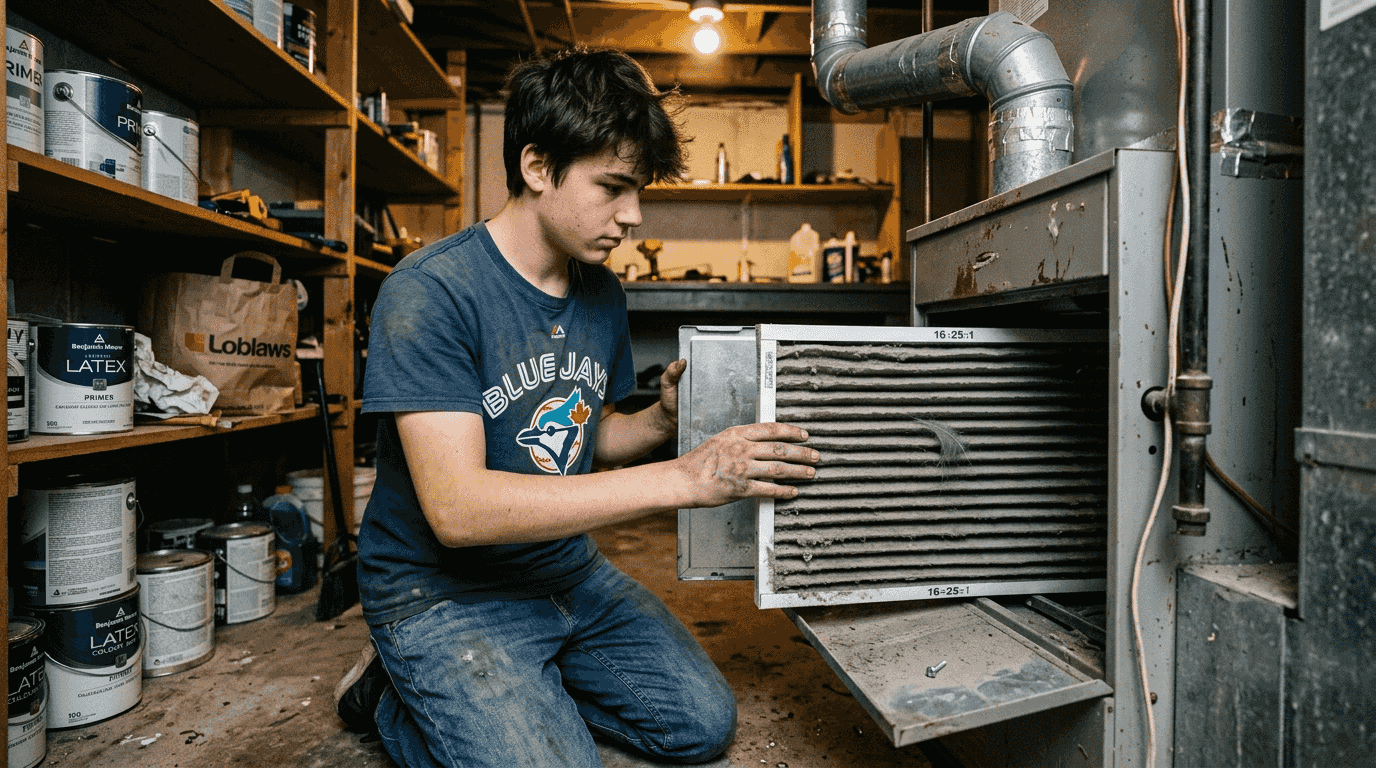
Airflow quality depends on clean filters and unobstructed vents throughout your home. When filters accumulate dust and debris, your system works harder to push cooled air through your ductwork, increasing energy consumption and strain on mechanical parts. Cleanliness extends beyond filters to outdoor condenser coils, which must remain free of leaves, grass clippings, and other debris to release heat effectively. Regular maintenance improves air conditioning efficiency and lifespan, making these cleaning tasks essential.
Refrigerant levels and electrical connections require professional assessment, but your checklist should include visual inspections for obvious issues like ice buildup on refrigerant lines or frayed wiring near the outdoor unit. Safety checks matter enormously, particularly verifying that electrical disconnects function properly and that the unit sits level on its pad to prevent vibration damage. Accessibility also deserves consideration when planning maintenance since you’ll need clear space around both indoor and outdoor components for routine cleaning and professional servicing.
Balancing DIY tasks with expert professional service creates the most effective maintenance approach. You can handle filter changes, basic cleaning, and monitoring system performance, while certified technicians should manage refrigerant checks, electrical diagnostics, and internal component inspections. This division of labour keeps costs manageable while ensuring complex technical work receives proper attention. Consider reviewing homeowner HVAC maintenance tips for additional guidance on maintaining your system between professional visits.
Pro Tip: Consistently replacing filters every 1 to 3 months significantly boosts system health and can reduce energy consumption by up to 15 percent, making this simple task one of your most impactful maintenance actions.
Step-by-step homeowner tasks for air conditioning upkeep
Regular homeowner maintenance forms the backbone of reliable air conditioning performance, and these practical tasks require minimal technical knowledge while delivering substantial benefits. Following a consistent schedule for these checks helps you detect issues early and keeps your system running efficiently throughout the cooling season. Routine homeowner maintenance can detect issues early and reduce the likelihood of unexpected breakdowns during hot weather.
-
Check and replace air filters monthly during cooling season. Remove the filter from your return air vent or furnace cabinet, hold it up to light, and replace it if you cannot see light passing through clearly. Mark your calendar for the first day of each month as a reminder, adjusting frequency to every two weeks if you have pets or someone in your household has allergies.
-
Inspect the outdoor condenser unit for debris accumulation. Walk around your outdoor unit weekly, removing leaves, grass clippings, and other debris from the fins and surrounding area. Maintain at least 60 centimetres of clear space on all sides to ensure proper airflow and heat release.
-
Verify thermostat settings and cooling cycles. Set your thermostat to cooling mode and lower the temperature setting below current room temperature, then listen for the system to start within a few minutes. If the unit fails to respond or cycles on and off rapidly, note this behaviour for professional assessment.
-
Check the condensate drain line for clogs. Locate the drain line near your indoor unit, typically a PVC pipe leading to a floor drain or outdoors. Pour a cup of water mixed with a tablespoon of vinegar through the access port monthly to prevent algae buildup and ensure water flows freely.
-
Listen for unusual noises or observe leaks. During normal operation, note any grinding, squealing, or banging sounds that differ from typical fan and compressor hum. Check around both indoor and outdoor units for water pooling or refrigerant line frost, which signal problems requiring immediate attention.
-
Clean condenser fins carefully when needed. Turn off power to the unit at the disconnect box, then gently spray the outdoor coils from inside out using a garden hose on low pressure. Avoid using high pressure, which can bend delicate fins and reduce efficiency.
These tasks complement professional servicing by maintaining day-to-day performance between annual tune-ups. For comprehensive maintenance beyond homeowner capabilities, explore AC maintenance services or consider AC installation if your system consistently underperforms despite proper upkeep. Additional guidance on step-by-step AC repair can help you understand when DIY efforts should transition to professional intervention.
Pro Tip: Using a vacuum with a soft brush attachment prevents damage when cleaning condenser fins and removes debris more effectively than water alone, particularly for stubborn dirt between fin spaces.
Common signs and issues to watch for on your AC checklist
Recognising warning signs early separates minor repairs from major system failures, and understanding which symptoms demand immediate attention helps you prioritise your response. Temperature inconsistency throughout your home often indicates airflow problems, refrigerant leaks, or thermostat malfunctions. Weak airflow from vents suggests clogged filters, blocked ductwork, or failing blower motors that reduce cooling capacity even when the compressor runs properly.
Strange noises provide valuable diagnostic clues about internal component health. Grinding sounds typically signal worn motor bearings, while squealing suggests belt problems or bearing friction. Banging or clanking noises often indicate loose or broken parts inside the cabinet that can cause additional damage if left unaddressed. Water leaks around your indoor unit point to condensate drain clogs or, more seriously, refrigerant line issues that require immediate professional attention.
Frequent cycling, where your unit turns on and off repeatedly without completing proper cooling cycles, wastes energy and stresses mechanical components. This behaviour can result from oversized equipment, thermostat problems, or refrigerant charge issues. Recognising common AC issues early cuts repair costs by addressing problems before they cascade into multiple component failures. High energy bills without corresponding usage changes also warrant investigation, as efficiency losses often develop gradually before becoming obvious through poor cooling performance.
| Symptom | Possible Cause | Urgency Level |
|---|---|---|
| Weak airflow from vents | Clogged filter, blocked ducts, failing blower | Moderate, address within days |
| Ice on refrigerant lines | Low refrigerant, airflow restriction | High, turn off system and call professional |
| Water pooling near indoor unit | Clogged drain line, cracked drain pan | High, can cause water damage |
| Grinding or squealing noises | Worn bearings, belt problems | High, continued operation risks component failure |
| Frequent on/off cycling | Thermostat issues, refrigerant problems, oversized unit | Moderate, reduces efficiency and lifespan |
| Warm air from vents | Refrigerant leak, compressor failure, thermostat error | High, defeats cooling purpose |
Monitoring these warning signs as part of your regular checklist helps you decide when to attempt simple fixes like filter replacement versus when to contact professionals immediately. Understanding signs your HVAC needs repair empowers you to act decisively before minor issues escalate into expensive emergency repairs during peak cooling season.
Choosing professional services and scheduling maintenance
Selecting qualified professionals for air conditioning service protects your investment and ensures work meets safety and performance standards. Start by verifying that technicians hold proper certifications and licences for HVAC work in Ontario, including gas fitting credentials if your system involves gas heating components. Local experience matters significantly since technicians familiar with Durham Region’s climate understand seasonal challenges specific to this area, from humidity management to winter shutdown procedures.
Reviews and references provide insight into service quality and customer satisfaction. Look for patterns in feedback regarding punctuality, diagnostic accuracy, transparent pricing, and follow-up support after repairs. Established companies with long-term community presence typically maintain higher standards since their reputation directly impacts ongoing business success. Scheduled maintenance reduces AC breakdowns significantly, making the choice of maintenance provider a crucial decision for long-term system reliability.
Timing your professional maintenance strategically maximises benefits and prevents problems before they disrupt comfort. Schedule spring tune-ups in April or early May, before temperatures climb and service companies face peak demand. This timing allows technicians to identify and address issues before you depend on cooling daily. Consider a second check-up in autumn after cooling season ends, particularly if your system runs heavily during summer or if you notice any performance changes. Many service providers offer maintenance plans that bundle seasonal visits with priority scheduling and discounted repairs, delivering cost savings for homeowners committed to preventive care.
Maintaining detailed records of all service visits, repairs, and part replacements helps you track system performance over time and provides valuable information for technicians during future service calls. Note dates, work performed, parts replaced, and any recommendations made by technicians. This documentation proves especially useful when deciding whether to repair or replace an ageing system, as it clearly shows maintenance history and recurring problems. Monitoring system performance between professional visits, including energy consumption and cooling effectiveness, helps you spot gradual efficiency declines that might otherwise go unnoticed until they become severe.
“Proactive maintenance isn’t just about preventing breakdowns—it’s about maintaining consistent comfort, controlling energy costs, and extending the years you get from your investment. Homeowners who prioritise regular professional service alongside their own upkeep tasks enjoy reliable cooling and avoid the stress and expense of emergency repairs during heat waves.”
When selecting a maintenance provider, consider these factors:
- Certification and licensing status for HVAC and gas fitting work
- Years of experience serving Durham Region specifically
- Availability of emergency service and response times
- Transparent pricing structures and written estimates
- Warranty coverage on parts and labour
- Maintenance plan options and associated benefits
For comprehensive air conditioning support, explore AC maintenance services or review the air conditioning repair guide for detailed information on common repairs and maintenance procedures. Additional insights on choosing AC technicians can help you evaluate qualifications and service offerings effectively.
| Service Type | Recommended Frequency | Typical Duration | Key Benefits |
| — | — | — |
| Spring tune-up | Annually before cooling season | 60-90 minutes | Prevents breakdowns, optimises efficiency, identifies needed repairs |
| Filter replacement | Monthly during use | 5-10 minutes | Maintains airflow, improves indoor air quality, reduces strain |
| Condenser cleaning | Quarterly during season | 15-20 minutes | Ensures heat release, prevents overheating, extends component life |
| Refrigerant check | Annually by professional | Included in tune-up | Maintains cooling capacity, prevents compressor damage |
| Electrical inspection | Annually by professional | Included in tune-up | Ensures safe operation, prevents fire hazards, identifies worn components |
Keep your home comfortable with expert AC services in Durham Region
Maintaining reliable air conditioning throughout Durham’s warm months requires both consistent homeowner attention and professional expertise at key intervals. Red Seal Mechanical Services brings over a decade of local experience to air conditioning repair, maintenance, and installation, helping homeowners throughout the Durham Region keep their systems running efficiently. Our certified technicians understand the specific challenges local climate conditions create for cooling systems and provide solutions tailored to your home’s needs.
Scheduling regular professional service alongside your own maintenance efforts creates the most effective approach to system care. Whether you need a comprehensive tune-up before summer arrives, repairs for a system showing warning signs, or guidance on replacement options for an ageing unit, working with experienced local professionals ensures quality results. Our team provides transparent assessments, clear explanations of needed work, and reliable service that keeps your home comfortable when you need cooling most.
Explore our air conditioning repair guide for detailed information on common issues and solutions, review our AC maintenance services to understand what professional tune-ups include, or learn about AC installation options if your current system no longer meets your needs. Contacting certified technicians for seasonal maintenance and prompt repairs helps prolong your system’s life while maintaining the consistent comfort your family deserves.
Frequently asked questions
How often should I replace the air filter in my home AC?
Replace your air filter every 1 to 3 months depending on usage intensity and filter type, with monthly changes recommended during peak cooling season. Homes with pets, smokers, or family members with allergies should change filters every 3 to 4 weeks since these conditions increase airborne particle accumulation. High-efficiency filters may last slightly longer but still require regular inspection to ensure they haven’t become clogged.
What are the signs that my air conditioner needs professional repair?
Watch for weak airflow from vents, unusual grinding or squealing noises, inconsistent cooling across rooms, water leaks around indoor or outdoor units, and rapidly rising energy bills without increased usage. Ice formation on refrigerant lines or the outdoor unit also signals problems requiring immediate professional attention. Any of these symptoms indicate issues beyond routine homeowner maintenance that need expert diagnosis and repair.
Can I do any air conditioning maintenance myself, or should I always call a pro?
Homeowners can safely handle filter changes, outdoor unit cleaning, condensate drain flushing, and basic performance monitoring without professional help. These tasks require no specialised tools and significantly contribute to system reliability when performed consistently. However, refrigerant checks, electrical diagnostics, internal component inspections, and any repairs involving sealed refrigerant systems must be performed by certified technicians to ensure safety and proper function.
How often should I schedule professional AC maintenance in Durham Region?
Schedule professional maintenance at least once annually, ideally in spring before the cooling season begins and demand for service peaks. Many homeowners benefit from twice-yearly service, with a second visit in autumn to address any issues that developed during heavy summer use and prepare the system for winter shutdown. Annual maintenance typically includes refrigerant checks, electrical inspections, component cleaning, and performance testing that homeowners cannot perform themselves.
Recommended
- HVAC seasonal checklist for Durham homeowners in 2026
- Air conditioning repair guide for homeowners in 2026
- HVAC Safety Checklist 2026: 42% Fewer Breakdowns Proven
- 7 Signs Your HVAC Needs Repair Every Bowmanville Homeowner Should Know
- Top tips: How to improve ventilation in your home this summer – Cloudy2Clear Windows
