


There is nothing more unsettling than feeling a cold draft sneak in during the winter or struggling with heat when summer arrives. For many homeowners, keeping a comfortable home means understanding what heating and cooling systems truly do and how they impact safety, cost, and energy use. Here you will find clear guidance on the roles of these systems, how to compare key options like furnaces, boilers, and heat pumps, and what maintenance or upgrades can make the difference in year-round comfort.
Table of Contents
- What Heating and Cooling Systems Do
- Comparing Furnace, Boiler, and Heat Pump Options
- Air Conditioning Types for Canadian Homes
- Energy Efficiency Ratings and Local Rebates
What Heating and Cooling Systems Do
Heating and cooling systems are complex technologies designed to maintain comfortable indoor temperatures in Ontario homes. These crucial home infrastructure components work continuously to regulate thermal conditions, ensuring residents experience consistent comfort throughout changing seasonal temperatures.
At their core, heating and cooling systems serve several fundamental functions:
- Temperature Regulation: Keeping indoor spaces within a comfortable temperature range
- Air Quality Management: Filtering and circulating indoor air
- Humidity Control: Maintaining optimal moisture levels
- Energy Efficiency: Minimizing power consumption while delivering consistent performance
The primary mechanisms for temperature control involve either generating heat or removing it from indoor spaces. Energy consumption patterns in Canadian households reveal that most residential systems rely on two primary methods: forced air systems and heat transfer technologies.
Forced air systems, which include furnaces and central heating units, operate by warming air and distributing it through ductwork. These systems typically use natural gas, electricity, or oil as energy sources. Conversely, cooling systems like central air conditioners and heat pumps remove heat from indoor spaces, transferring warmth outside and circulating cooler air throughout the home.
Pro tip: Scheduling regular maintenance with a professional HVAC technician can improve your system’s efficiency and prevent unexpected breakdowns.
Comparing Furnace, Boiler, and Heat Pump Options
Homeowners in Ontario have three primary heating system options: furnaces, boilers, and heat pumps. Each technology offers unique advantages and challenges, making the selection process critical for long-term comfort and energy efficiency.
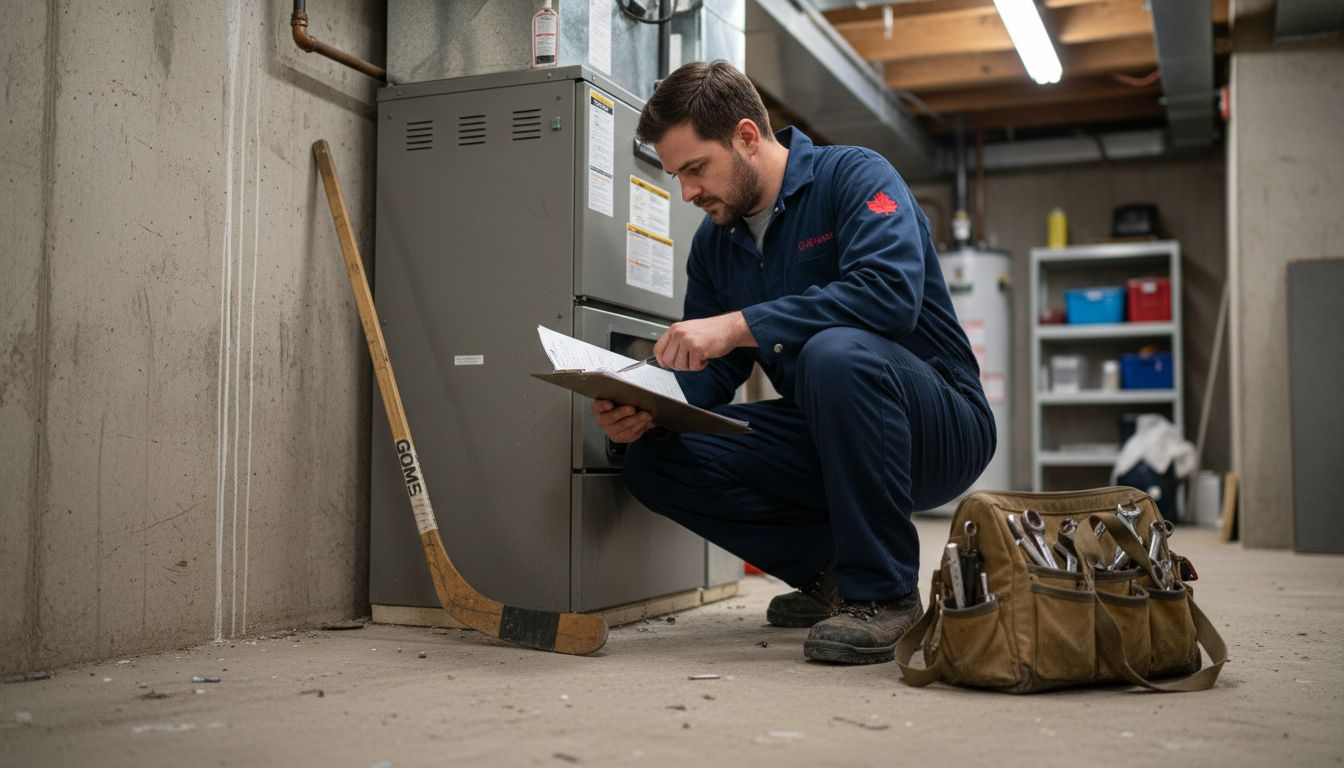
Heating system stocks in Ontario reveal significant variations in technology adoption, helping homeowners understand the most prevalent and efficient heating solutions.
Furnace Systems:
- Typically use natural gas, oil, or electricity
- Distribute heated air through ductwork
- Generally less expensive to install
- Work well in colder Canadian climates
Boiler Systems:
- Heat water or steam for radiant heating
- Distribute warmth through radiators or in-floor pipes
- Often more energy-efficient for even heat distribution
- Excellent for maintaining consistent temperatures
Heat Pump Technologies:
- Can both heat and cool spaces
- Transfer heat rather than generate it
- Highly energy-efficient
- Work best in moderate temperature regions
The choice between these systems depends on several factors, including home size, existing infrastructure, local climate, and budget. Heat pumps are gaining popularity due to their dual heating and cooling capabilities and lower environmental impact.
Here is a quick comparison of the main heating systems found in Ontario homes:
| Heating System | Typical Climate Suitability | Installation Complexity | Notable Environmental Impact |
|---|---|---|---|
| Furnace | Cold Canadian winters | Moderate to high | Higher emissions for fossil fuels |
| Boiler | Consistent temperatures | High | Improved efficiency but uses water |
| Heat Pump | Mild to moderate regions | Moderate to high | Low carbon footprint, minimal emissions |
Modern heat pump technologies can reduce energy consumption by up to 50% compared to traditional heating systems.
Recent policy initiatives like the Oil to Heat Pump Affordability program are encouraging Ontario homeowners to transition towards more sustainable heating solutions, particularly electric heat pumps that offer significant energy savings and reduced carbon emissions.
Pro tip: Consult with a local HVAC professional to assess your specific home requirements and determine the most suitable heating system for your unique needs.
Air Conditioning Types for Canadian Homes
Canadian homeowners have several air conditioning options designed to combat the country’s diverse and often challenging climate conditions. Understanding the different types of cooling systems helps residents make informed decisions about home comfort and energy efficiency.
Air conditioner ownership patterns across Canada reveal interesting insights into how different cooling technologies are adopted nationwide.
Central Air Conditioning Systems:
- Whole-home cooling solution
- Connected to existing ductwork
- Provide consistent temperature control
- Most common in newer Canadian homes
Window Unit Air Conditioners:
- Affordable and easy to install
- Ideal for smaller spaces
- Portable and flexible
- Best for apartments or individual rooms
Ductless Mini-Split Systems:
- No ductwork required
- Zone-based cooling capabilities
- Energy-efficient design
- Excellent for homes without existing ducts
Heat Pump Systems:
- Dual heating and cooling functionality
- High energy efficiency
- Work well in moderate Canadian climates
- Environmentally friendly option
Modern air conditioning technologies can reduce energy consumption by up to 40% compared to older models.
The selection of an air conditioning system depends on several factors, including home size, existing infrastructure, budget, and local climate conditions. Each technology offers unique advantages, making it crucial to assess individual home requirements carefully.
Natural Resources Canada provides energy efficiency standards that can help homeowners choose the most appropriate and efficient cooling solution.
Pro tip: Consult with a professional HVAC technician to evaluate your specific home cooling needs and recommend the most suitable air conditioning system.
Energy Efficiency Ratings and Local Rebates
Understanding energy efficiency ratings and available local rebates can significantly impact Ontario homeowners’ heating and cooling system investments. These factors not only influence upfront costs but also contribute to long-term energy savings and environmental sustainability.
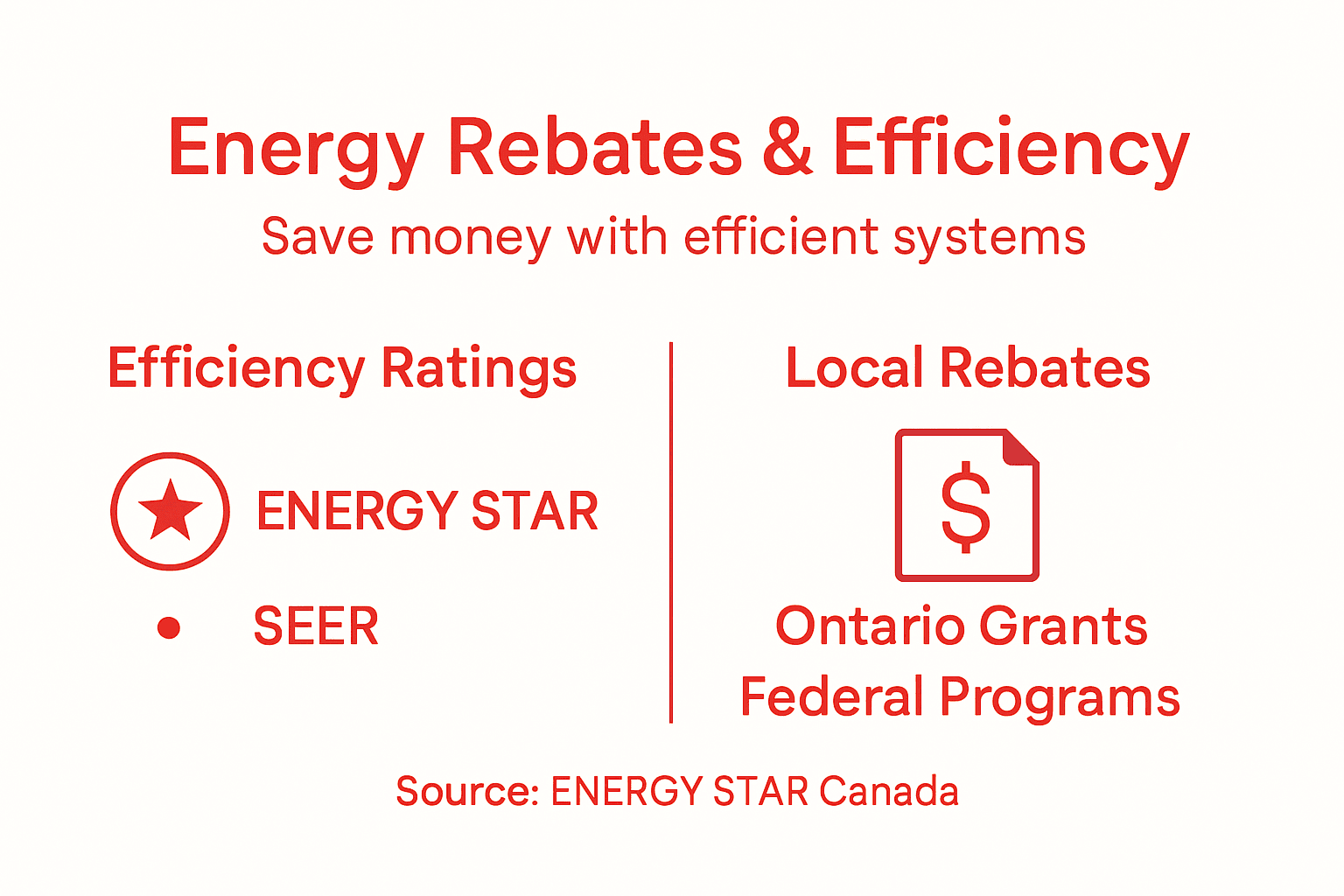
Energy efficiency programs across Canada offer various incentives designed to help homeowners make environmentally conscious and cost-effective choices.
Key Energy Efficiency Ratings:
- ENERGY STAR: Top-tier efficiency certification
- Indicates top 15-30% most efficient products
- Verified by independent testing
- Applies to heating, cooling, and appliance technologies
Types of Rebates and Incentives:
- Federal government tax credits
- Provincial energy efficiency programs
- Municipal green home initiatives
- Utility company performance incentives
Rebate Qualification Criteria:
- Minimum energy efficiency standards
- Specific product certification requirements
- Installation by licensed professionals
- Documentation and application processes
Homeowners can save up to 30% on energy costs by choosing high-efficiency rated systems.
The ENERGY STAR rebates directory provides comprehensive information about current incentive programs, helping homeowners navigate the complex landscape of energy efficiency investments.
Most rebate programs require specific documentation, professional installation, and adherence to strict efficiency standards. Homeowners should carefully review program requirements and consult with certified HVAC professionals to maximize potential savings.
Pro tip: Maintain all installation receipts and product documentation to streamline your rebate application process and ensure maximum financial benefits.
Trusted Heating and Cooling Solutions for Your Ontario Home
Navigating the complexities of heating and cooling systems in Ontario homes can be challenging. Whether you need expert advice on choosing between a furnace, boiler, or heat pump or require reliable installation and maintenance services to ensure your system operates efficiently and safely, understanding your options is essential. Key issues like temperature regulation, energy efficiency, and proper maintenance all affect your comfort and long-term savings.
At Red Seal Mechanical Services, we bring over a decade of experience serving homeowners throughout the Durham Region. Our team specialises in furnace and air conditioning installation, repairs, and annual maintenance to keep your home comfortable year-round. By choosing expert HVAC services, you gain a trusted partner committed to honest work and your satisfaction.
Don’t wait for costly breakdowns or inefficiencies to disrupt your comfort. Visit Red Seal Mechanical Services today to schedule your professional heating and cooling assessment. Learn how our tailored solutions can help you save energy and enjoy reliable warmth or cooling throughout all Ontario seasons.
Frequently Asked Questions
What are the main functions of heating and cooling systems?
Heating and cooling systems regulate temperature, manage air quality, control humidity levels, and optimize energy efficiency in indoor spaces.
How do I choose between a furnace, boiler, or heat pump for my home?
Consider factors such as home size, existing infrastructure, local climate, and budget when selecting a heating system. Heat pumps are versatile, offering both heating and cooling capabilities, while furnaces and boilers excel in heating alone.
What types of air conditioning systems are available for homes?
Common types include central air conditioning systems, window unit air conditioners, ductless mini-split systems, and heat pumps, each with unique advantages based on home layout and size.
