


It’s 6 a.m. in January, the temperature outside is well below freezing, and your furnace has stopped working. If you’re a homeowner in Durham Region, that scenario is not just uncomfortable, it’s urgent. The good news is that many furnace problems have straightforward fixes you can handle yourself, without waiting for a service call or paying an emergency fee. This guide walks you through every step, from basic safety checks to diagnosing common problems, so you can restore warmth to your home quickly and with confidence.
Table of Contents
- What to know before you begin: Safety, tools, and basic checks
- Step-by-step furnace repair: Diagnosing and fixing common problems
- Troubleshooting persistent issues and when to call a pro
- Preventative tips to keep your furnace running smoothly
- Our take: Why DIY furnace repair isn’t just about saving money
- Need expert help? Connect with trusted Durham furnace services
- Frequently asked questions
Key Takeaways
| Point | Details |
|---|---|
| Safety first | Switch off power and check for gas leaks before starting any repair. |
| Replace filters regularly | Changing your furnace filter monthly prevents most common issues. |
| Follow a step-by-step checklist | Diagnosing your furnace in order saves time and ensures safety. |
| Know your limits | Some problems require a professional; don’t risk safety with advanced repairs. |
What to know before you begin: Safety, tools, and basic checks
Before you touch anything on your furnace, preparation matters. Rushing into a repair without the right tools or safety knowledge is how small problems become expensive ones. A few minutes of preparation protects both you and your equipment.
Safety first, always. Turn off the power to your furnace at the breaker before inspecting any components. If you suspect a gas leak at any point, do not flip any switches. Leave the house and call your gas utility immediately.
Important: Always shut off power before opening your furnace cabinet. If you smell gas at any point during your inspection, stop immediately, leave the home, and call a professional. Never attempt to locate a gas leak yourself.
Here is a quick look at the tools you may need and whether alternatives exist:
| Tool | Purpose | Alternative |
|---|---|---|
| Flat-head screwdriver | Open furnace panel | Coin or butter knife |
| Replacement filter | Restore airflow | None; always have a spare |
| Multimeter | Test electrical components | Call a pro if unavailable |
| Flashlight | Inspect dark areas | Phone torch |
| Owner’s manual | Reference error codes | Manufacturer’s website |
Before you do anything else, run through these basic checks:
- Is the thermostat set to Heat and above the current room temperature?
- Is the furnace power switch (usually on the wall near the unit) turned on?
- Is the circuit breaker for the furnace in the On position?
- Is the furnace filter visibly clogged or grey with dust?
- Are all supply and return vents in your home open and unobstructed?
- Is the furnace cabinet door fully closed? Many units won’t run with an open panel.
These checks alone resolve a surprising number of calls we receive. To maintain furnace efficiency over the long term, these basics need to become habit.
Pro Tip: A dirty filter causes overheating and short cycling, especially in Durham homes with pets or high dust. Start every troubleshooting session by pulling the filter out and holding it up to the light. If you can’t see light through it, replace it before doing anything else. This single step fixes more furnace issues than most people realise. Learning more about furnace maintenance safety can also help you avoid common hazards.
Step-by-step furnace repair: Diagnosing and fixing common problems
Now that you’re prepared and safe, you’re ready for actual hands-on repair. Work through these steps in order. Skipping ahead often means missing the real cause of the problem.
- Check the thermostat. Set it five degrees above the current room temperature and wait two minutes. If the furnace doesn’t respond, move to the next step. Make sure the batteries in your thermostat are fresh.
- Inspect and replace the filter. Pull out the existing filter and check its condition. In Durham homes with pets or dusty environments, replace the filter monthly to prevent overheating and short cycling. Insert the new filter with the arrow pointing toward the furnace.
- Check the circuit breaker. Go to your electrical panel and look for the furnace breaker. If it’s tripped (sitting between On and Off), switch it fully off, then back on. A breaker that trips repeatedly signals a deeper electrical issue.
- Inspect the pilot light or ignition system. Older furnaces use a standing pilot light; newer ones use electronic ignition. If your pilot is out, follow the relight instructions printed on the furnace label. For electronic ignition, listen for a clicking sound when the furnace tries to start.
- Read and record any error codes. Most modern furnaces have a small LED light on the control board that flashes a sequence of blinks. Count the flashes and look up the code in your owner’s manual or on the manufacturer’s website.
- Reset the furnace. Once you’ve noted the error code, press the reset button (usually a red button near the burner). Wait five minutes before restarting.
- Restore power and test. Turn the power back on, set the thermostat, and listen. You should hear the blower motor start within a few minutes.
Pro Tip: Always write down the error code before pressing reset. Once the furnace resets, the code clears and you lose that diagnostic information. That code is exactly what a technician needs if the problem persists. For a deeper understanding furnace repair concepts, our homeowner’s guide covers the basics clearly. You can also review our full furnace maintenance guide to stay ahead of seasonal issues.
Troubleshooting persistent issues and when to call a pro
Completing the basic steps covers most problems, but sometimes issues persist. Knowing when to keep going and when to stop is one of the most valuable skills a homeowner can have.
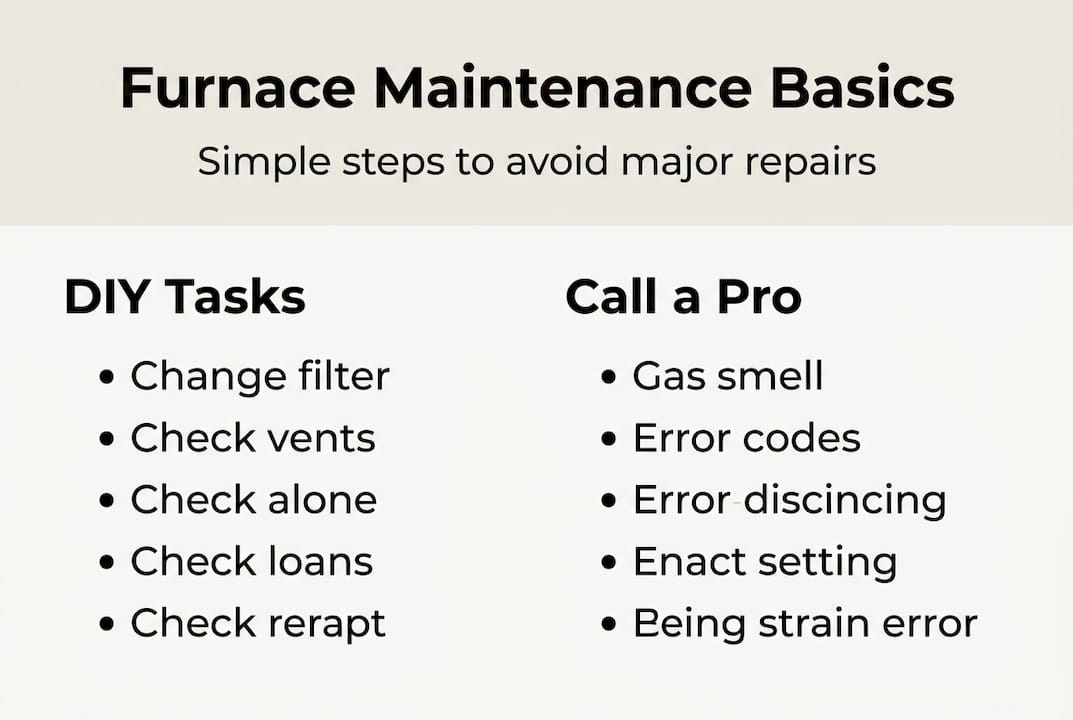
Some symptoms mean DIY troubleshooting has reached its limit:
- Gas smell: Stop everything. Leave the house and call your gas utility or 911.
- Loud banging or booming on startup: This often signals delayed ignition, which is a safety concern.
- Furnace cycles on and off repeatedly (short cycling): Usually caused by a clogged filter or overheating, but can also point to a failing heat exchanger.
- No heat after filter replacement and power reset: The issue is likely mechanical or electrical.
- Burning smell that isn’t dust: Could indicate an electrical fault or overheating component.
- Water pooling around the furnace: Condensate drain may be blocked, especially in high-efficiency units.
Safety reminder: If you smell gas or hear a loud banging noise from your furnace, leave immediately and call a professional. These are not situations to investigate on your own.
Here is a straightforward guide to help you decide:
| Issue | DIY appropriate? | Risk level | When to call a pro |
|---|---|---|---|
| Dirty filter | Yes | Low | If problem persists after replacement |
| Tripped breaker (once) | Yes | Low | If it trips again |
| Pilot light out | Yes (older units) | Medium | If it won’t stay lit |
| Error code on display | Partial | Medium | If reset doesn’t clear it |
| Gas smell | No | High | Immediately |
| Loud banging on startup | No | High | Immediately |
| No heat after all steps | No | Medium | Same day |
Understanding the benefits of regular furnace maintenance makes it much easier to spot when something is genuinely wrong versus a simple fix. Staying on top of routine furnace maintenance also means you’ll catch small problems before they become urgent ones.
Preventative tips to keep your furnace running smoothly
Long-term peace of mind comes from prevention. The furnaces we see breaking down in the middle of January are almost always ones that haven’t had basic care through the year. A little effort each month saves a lot of stress when the cold hits.
Here are the habits that make the biggest difference:
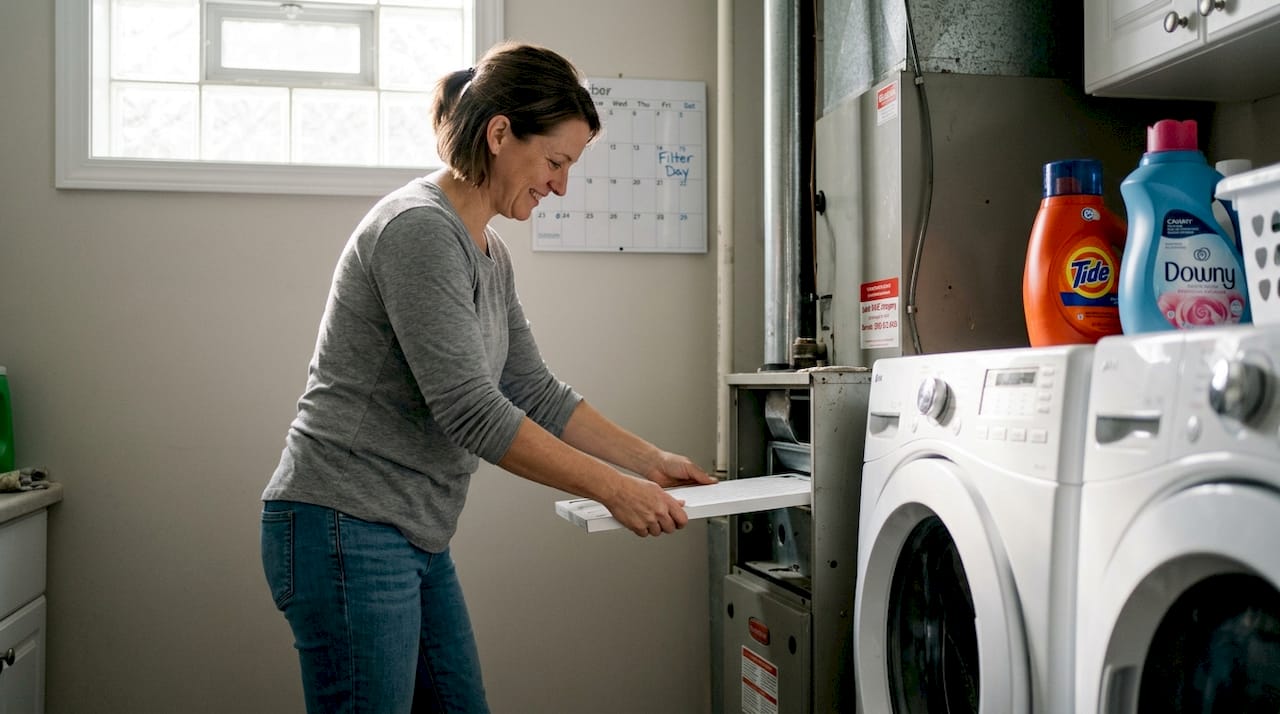
- Change your filter every month, especially in homes with pets, carpeting, or renovation dust. A dirty filter causes overheating and reduces your furnace’s lifespan significantly.
- Schedule a professional tune-up once a year, ideally in September before heating season begins. A technician will clean the burners, check the heat exchanger, and verify safe operation.
- Keep all supply and return vents open and clear. Blocking vents with furniture or rugs forces your furnace to work harder, raising energy costs and wear.
- Check your thermostat settings seasonally. Programmable and smart thermostats save energy when used correctly, but incorrect settings can cause your furnace to run unnecessarily.
- Listen to your furnace. New sounds, longer run times, or uneven heating across rooms are early warnings worth investigating before they escalate.
Pro Tip: Pick the first day of every month as your filter day. Put a reminder in your phone and keep a few spare filters in a closet. That one habit alone prevents the majority of common furnace problems we see in Durham homes. Pairing this with guidance on energy savings with annual maintenance can meaningfully reduce your heating bills. For broader seasonal habits, our HVAC efficiency tips are worth bookmarking.
Regular care isn’t just about avoiding breakdowns. A well-maintained furnace runs more efficiently, which means lower gas bills every month. Over a heating season, that adds up to real savings for your household.
Our take: Why DIY furnace repair isn’t just about saving money
We’ve helped hundreds of Durham homeowners over the years, and here’s something most guides won’t tell you: the biggest value of learning basic furnace repair isn’t the money you save on service calls. It’s the confidence you gain as a homeowner.
When you understand how your furnace works, you stop being afraid of it. You notice changes earlier. You make better decisions about when to act and when to wait. That knowledge protects your family more reliably than any warranty.
We also see a common mistake most guides ignore: homeowners using the wrong filter size or a filter with a MERV rating (a measure of filtration density) that’s too high for their system. A filter that’s too restrictive can actually cause more damage than a dirty one. Check your owner’s manual for the correct size and rating.
There is real pride in fixing something yourself. But there is equal wisdom in recognising when a repair is beyond your tools or training. Our furnace care wisdom page puts it simply: do what you can safely, and trust a professional for the rest. Durham families deserve both warmth and safety, and the two are not in conflict.
Need expert help? Connect with trusted Durham furnace services
If you’ve worked through every step in this guide and your furnace still isn’t performing, or if you’d rather have a certified technician handle the diagnosis, our team at Red Seal Mechanical Services is ready to help. We’ve been serving Durham Region homeowners since 2012, and we know these homes and their heating systems well. Whether you need furnace repair in Durham Region or want to set up a seasonal check-in through our furnace maintenance services, we make the process straightforward and stress-free. Don’t wait until a small issue becomes an emergency. Book a repair today and get your home back to comfortable.
Frequently asked questions
How often should I change my furnace filter in Durham homes?
You should change your furnace filter every month, particularly if you have pets or live in a dusty environment. A clogged filter causes overheating and short cycling, which shortens your furnace’s lifespan.
What should I try first if my furnace isn’t heating?
Start by checking your thermostat settings and ensuring the furnace power switch is on, then replace the filter if it looks dirty. These three steps resolve the majority of no-heat calls before any tools are needed.
When should I call a professional furnace repair service?
Call a professional immediately if you smell gas, hear loud banging on startup, or if your furnace still won’t produce heat after completing all basic troubleshooting steps. These situations carry safety risks that go beyond DIY repair.
Does regular furnace maintenance really save on energy bills?
Yes, a well-maintained furnace runs more efficiently and uses less gas to heat your home, which translates directly to lower monthly energy costs. Annual professional servicing combined with monthly filter changes delivers the most consistent savings.
